The Complete Guide for Property Owners Who Need Results
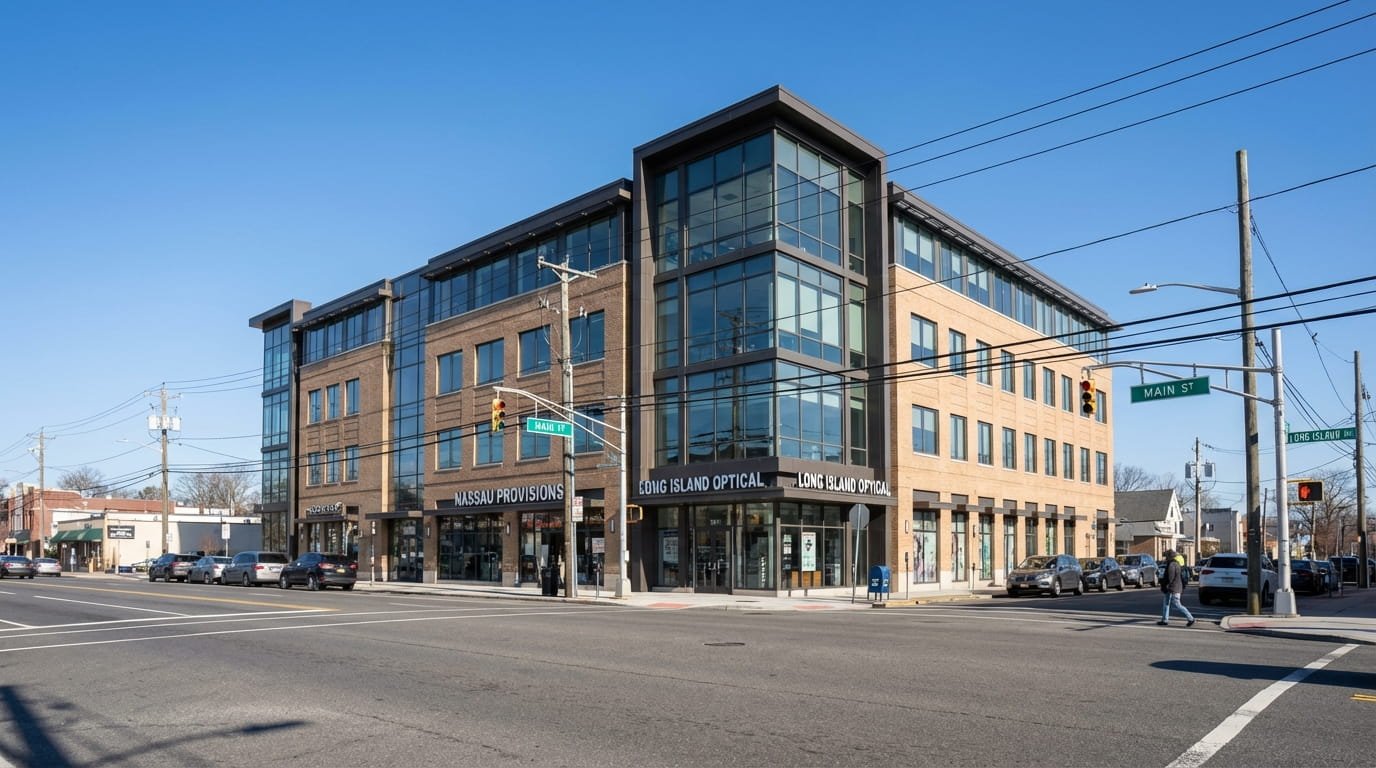
You need to sell a commercial property. Maybe a balloon payment is coming due. Maybe you are ready to retire and pull equity out of a building you have owned for years. Maybe a 1031 exchange deadline is counting down, or a partnership dispute is forcing your hand. Whatever the reason, the clock is running and you need a clear plan.
Selling commercial real estate is not like selling a house. The buyer pool is smaller and more sophisticated. The due diligence period is longer. The documentation requirements are more demanding. And the price is determined almost entirely by the income the property produces, not by how nice the lobby looks.
This guide gives you three proven selling paths to choose from. The traditional broker route takes 6 to 12 months and typically produces the highest price. Selling by owner can save you the broker commission but requires significant time and expertise. A fast cash sale can close in 5 to 30 days but usually means accepting 10 to 20 percent below market value. Read on to find out which path fits your situation, and exactly what to do next.
Know Your Selling Timeline: Which Path Fits Your Situation?
Before you do anything else, be honest about how much time you actually have. Your timeline changes everything: your strategy, your pricing, your choice of buyer, and your negotiating leverage.
| Your Situation | Best Strategy | Likely Timeline | Price Outcome |
|---|---|---|---|
| Retirement / maximize value | Traditional broker | 6 to 12 months | Full market value |
| 1031 exchange identified | Traditional broker | 45 to 90 days to close | Full market value |
| Balloon payment in 90+ days | Traditional or FSBO | 3 to 6 months | Near market value |
| Balloon payment in 60 days | Fast cash sale | 5 to 30 days | 10 to 20% below market |
| Foreclosure risk | Fast cash sale | 5 to 15 days | 10 to 25% below market |
| Partnership dissolution | Cash or broker | Depends on urgency | Varies |
If your balloon payment is due in 60 days or less, or foreclosure is a real risk, stop reading about traditional sales and jump to the fast cash buyers section below. Time is your most limited resource and the traditional process simply cannot move fast enough. You can also learn more about selling a house in foreclosure and what your options look like when time is critical.
If you have time on your side, the traditional broker route will almost always produce a better financial outcome. The extra months you spend marketing the property will typically recover far more than any broker commission you pay.
A 1031 exchange creates its own timeline pressure. Once you close your relinquished property, you have 45 days to identify a replacement property and 180 days to close it. This means your sale and purchase timelines are tightly linked. Consult a qualified intermediary before listing if a 1031 exchange is part of your plan.
Pre-Sale Preparation Checklist
The single most common reason commercial deals fall apart during due diligence is missing or disorganized documentation. Buyers get nervous, their lenders ask questions that cannot be answered quickly, and deals die. The best thing you can do before listing your property is get your paperwork in perfect order.
Financial Documentation to Assemble
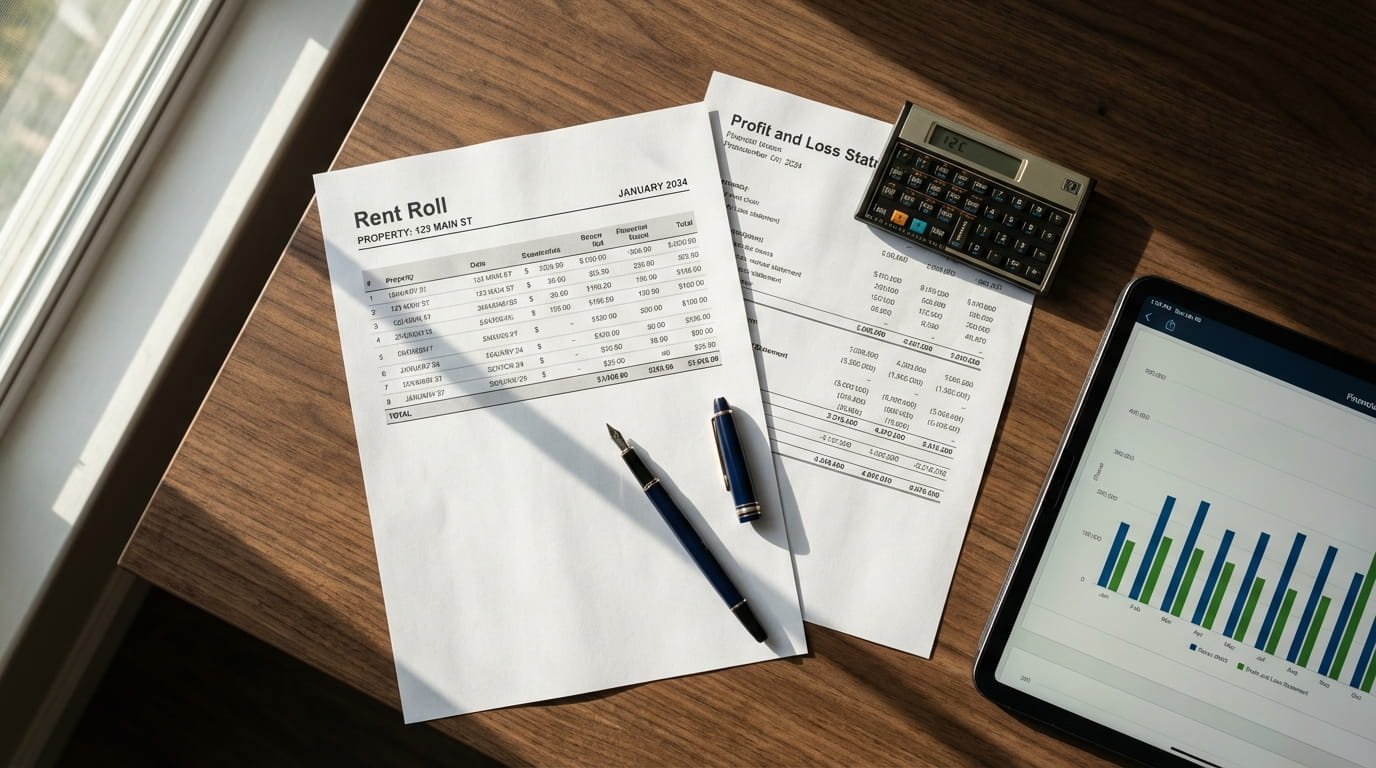
- Profit and loss statements for the last 2 to 3 years
- Current rent roll showing every tenant, unit, monthly rent, lease start date, and expiration date
- Operating expense history by category
- Property tax bills for the last 2 to 3 years
- Insurance policy and premium history
- Utility bills if you pay any tenant utilities
- Current mortgage statement if the property carries debt
Critical Documents to Order Now
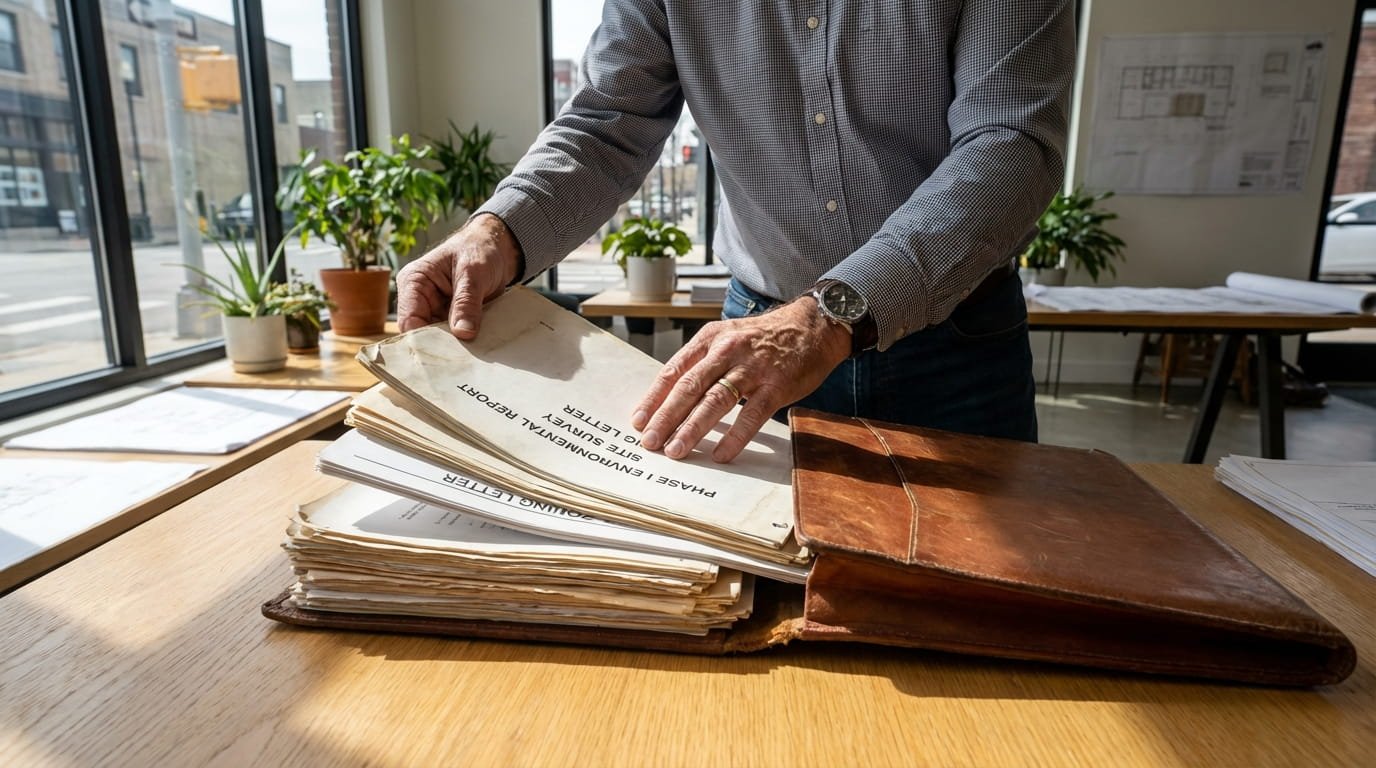
Some documents take time to obtain. Order these immediately so they are ready when a buyer asks:
| Document | Typical Lead Time | Why It Matters |
|---|---|---|
| Title report / title search | 7 to 10 days | Reveals liens, encumbrances, ownership issues |
| Phase I environmental survey | 21 days (if over 6 months old) | Required by most lenders for financing |
| Survey (boundary / ALTA) | 2 to 4 weeks | Confirms lot lines, easements, encroachments |
| Zoning verification letter | 1 to 2 weeks | Confirms permitted uses for buyer’s lender |
| Certificate of occupancy | Varies | Required for buildings with recent improvements |
Property Condition Assessment
Walk every inch of your property before a buyer does. Make a written list of every deferred maintenance item: roof age and condition, HVAC systems, parking lot, plumbing, electrical panels, elevators, and structural concerns. You will need to disclose known material defects, and you need to make informed decisions about what to fix and what to price in. For a related look at how property condition affects pricing, see how much you lose selling a house as-is.
Tenant Lease Status Review
Go through every lease carefully. Note which leases are expiring within 12 months, which tenants are on month-to-month arrangements, which have renewal options and whether they have exercised them, and any ongoing disputes or arrearages. A buyer’s first question after price is almost always about the tenant situation.
Pricing Your Property Competitively
Pricing a commercial property is not guesswork, and it is not based on what you paid or what you need to net. It is based on what the market will pay, which is driven almost entirely by the income the property produces.
The Income Approach: Your Starting Point
Formula: Estimated Value = Net Operating Income (NOI) divided by Market Cap Rate
Calculate your property’s annual NOI by subtracting all operating expenses from your effective gross income. Then research what cap rates buyers are currently paying for similar properties in your market. Divide your NOI by that cap rate to get your estimated value. Cross-check that number against recent comparable sales on a price-per-square-foot or price-per-unit basis. For a full breakdown of how this formula works and what cap rates apply to different property types, read our guide on cap rate on commercial property.
Pricing Psychology: The 5% Rule
Properties priced within 5% of actual market value sell. Properties priced more than 10% above market value sit. Every week a commercial property sits on the market unsold, buyers assume something is wrong with it: the income is not real, there are hidden problems, or the owner is not serious. Overpricing your property is one of the most expensive mistakes you can make, because it damages market perception in a way that a price reduction does not fully repair.
If you want to leave room to negotiate, price no more than 5% above your target number. Do not go in 15% or 20% above just to see what happens. You will lose the serious buyers in the first 30 to 60 days, and those are the best buyers you will ever have.
The Underpricing Strategy
In the right market conditions, deliberately pricing 3 to 5 percent below comparable properties can generate multiple competing offers within days, ultimately driving the final sale price above your target. This strategy works best in tight markets with limited inventory and strong buyer demand. Discuss it with a qualified commercial broker before attempting it. You can also read about how to sell fast in a slow market for tactics that apply when buyer demand is softer.
Strategy 1: Traditional Broker Sale (6 to 12 Months)
For most commercial property owners who are not under extreme time pressure, the traditional broker sale produces the best financial outcome. You get professional marketing, access to qualified buyers, and someone who negotiates on your behalf.
Choosing the Right Broker
This is the most important decision you will make in the entire process. Do not hire a residential real estate agent who occasionally handles commercial deals. Hire a commercial specialist, ideally one who focuses specifically on your property type and your local submarket.
Ask every candidate these questions: How many commercial properties have you sold in the last 12 months? What was the average days on market? Can you show me comparable sales you have closed? What databases and marketing channels do you use? Who specifically on your team handles the transaction day to day?
If you are weighing whether to use a broker at all, this guide on agent vs. cash buyer on Long Island breaks down the real trade-offs between the two paths. And if commission is a major concern, see how to save 6% commission selling without a realtor.
Commission Structure
The standard commercial broker commission is 6% of the sale price, often split between the listing broker and the buyer’s broker. On a $2 million sale that is $120,000. Commission is negotiable, particularly on higher-value properties. Some brokers will accept 4 to 5 percent on deals above $3 million to $5 million. Get the commission agreement in writing before signing a listing agreement.
Marketing Exposure
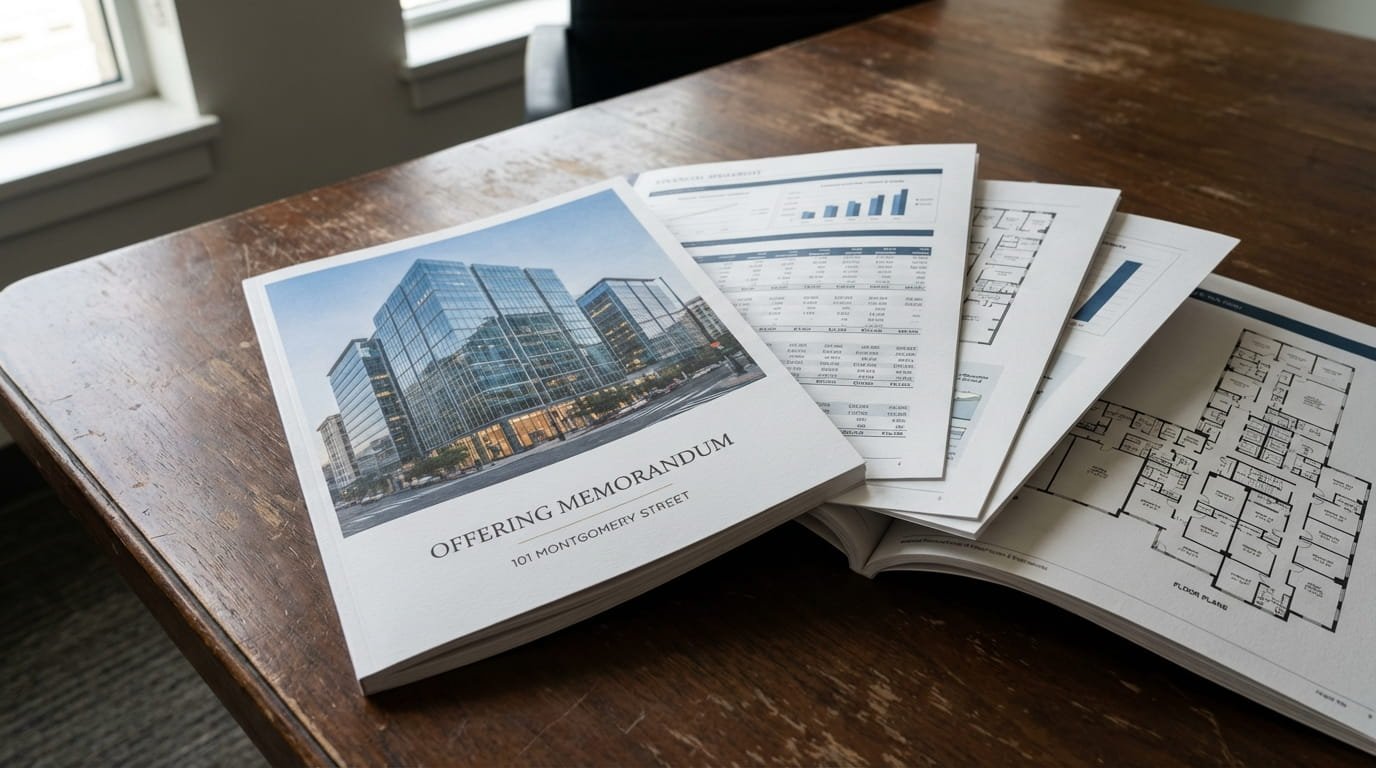
A strong commercial broker will list your property on LoopNet and CoStar, which are the two dominant commercial real estate databases where virtually every serious buyer and buyer’s broker searches for properties. They will also create a professional offering memorandum and market to their private network of investors, developers, and 1031 exchange buyers. Off-market relationships often produce better buyers than public listings.
Realistic Timeline Breakdown
| Phase | Typical Duration | Key Activities |
|---|---|---|
| Listing preparation | 2 to 4 weeks | Documents, photos, offering memorandum |
| Active marketing period | 3 to 6 months | Showings, inquiries, LOI negotiations |
| Due diligence period | 30 to 60 days | Inspections, appraisal, lender review |
| Closing preparation | 30 to 45 days | Title, escrow, document execution |
| Total typical timeline | 6 to 12 months | From listing to funded close |
Strategy 2: For Sale By Owner (FSBO)
Selling commercial property yourself is possible, but be honest about what it requires. You will save the 6% broker commission, which on a $1.5 million property is $90,000, but you will invest 100 or more hours of your own time, and you will need to handle pricing, marketing, offers, negotiations, due diligence coordination, and closing logistics yourself.
Marketing Platforms for FSBO
- LoopNet: The most widely used commercial listing database. Paid listings get significantly more visibility than free listings.
- Crexi: A growing commercial marketplace with strong buyer activity, particularly for smaller properties.
- Reonomy: Useful for finding off-market buyers who own similar properties nearby.
- Your local commercial real estate association: Member directories and networking events can connect you with active buyers.
What You Will Need to Create
A professional offering memorandum is not optional. Serious commercial buyers expect a document that covers the property description and photos, full financial summary with NOI, rent roll, lease abstracts, area demographics, and comparable sales data. Without this, buyers will not take you seriously and may assume you are hiding something.
When FSBO Makes Sense
FSBO works best when you already have a likely buyer: a neighboring property owner, an existing tenant who has expressed interest in buying, or a developer you know. It also works when the property is simple: a single-tenant triple net building with a long lease and clean financials is far easier to sell yourself than a multi-tenant mixed-use property with complex lease structures.
The Hybrid Approach
Flat-fee commercial listing services let you pay a one-time fee of $500 to $1,500 to get your property listed on LoopNet and CoStar without signing with a traditional broker. You handle the buyer relationship yourself but offer a 2 to 3 percent co-broke to any buyer’s broker who brings you a qualified deal. This can save you half the commission while still accessing the major buyer databases.
Strategy 3: Fast Cash Sale (5 to 30 Days)
If your situation is urgent, a fast cash sale may be your only real option. This means selling directly to a commercial real estate investor or investment firm that buys with cash, skips the traditional financing process, and can close in days rather than months.
The Trade-Off
Speed comes at a price. Expect to accept 10 to 20 percent below market value in exchange for a fast, certain close.
On a $1.5 million property, that discount could be $150,000 to $300,000. For some owners, that trade-off is absolutely worth it, particularly when the alternative is defaulting on a loan, losing the property to foreclosure, or missing a critical business deadline. You can read more about why selling for cash might be the right choice and what the process actually looks like.
Best Scenarios for a Fast Cash Sale
- Balloon payment due in 60 days or less with no refinancing option
- Foreclosure proceedings have begun or are imminent
- A partner needs to be bought out immediately and has no patience for a 6-month sale
- The property has serious deferred maintenance or vacancy issues that make traditional financing difficult
- Estate settlement requires liquidation on a specific deadline
If you are also dealing with a co-owner who needs to exit, see our guide on selling a house during divorce for how forced sale situations are typically handled, and what selling an inherited property looks like when multiple parties are involved.
How to Find Legitimate Cash Buyers
Start with commercial real estate investment firms in your market. Search LoopNet and Crexi for “we buy commercial property” in your area. Ask a commercial broker for referrals to known cash buyers even if you are not listing with them. Your title company or real estate attorney may also have relationships with active cash investors. You can also contact us directly at We Buy Property NY to discuss your situation.
Red Flags and Scam Avoidance
Red flags: Buyers who charge upfront fees before seeing the property, refuse to provide proof of funds, pressure you to skip title insurance, or ask you to sign documents without allowing attorney review. Always verify proof of funds before signing a purchase agreement.
Marketing Your Property to Qualified Buyers
Whether you are working with a broker or selling yourself, understanding who the likely buyers are and how to reach them will speed up your sale and improve your final price.
The Offering Memorandum
Your offering memorandum is your primary marketing document. It should be 15 to 30 pages and include an executive summary, investment highlights, property description and photos, detailed financial analysis including a 3-year income history and current year pro forma, rent roll with lease abstracts, area overview with demographics and market data, and a clear asking price with cap rate implied.
Poorly prepared offering memorandums signal an inexperienced seller and drive away institutional buyers. If you cannot produce a professional one yourself, hire a commercial real estate marketing firm or a commercial broker just for this piece.
Know Your Buyer Types
| Buyer Type | What They Want | How to Reach Them |
|---|---|---|
| Long-term income investor | Stable cash flow, good location | LoopNet, CoStar, broker network |
| 1031 exchange buyer | Must close by deadline, income match | Broker network, exchange facilitators |
| Developer / value-add buyer | Upside, rezoning potential, distress | Direct outreach, developer databases |
| Owner-user buyer | Wants to occupy part of building | Local business networks, CCIM brokers |
Off-Market Tactics
The best buyer for your property may not be looking on LoopNet. Reach out directly to owners of similar nearby properties who may want to expand. Contact tenants who have expressed interest in ownership. Tap into local commercial real estate investor groups and networking events. Many of the best commercial deals never get publicly listed at all.
Investors actively looking for properties in specific New York markets can find opportunities across Suffolk County, Nassau County, Brooklyn, and Queens. Specific submarkets like Huntington, Islip, Amityville, and Hempstead all have active buyer communities worth tapping directly.
Navigating Offers and Negotiations
When a serious buyer is interested, they will submit a Letter of Intent (LOI) before any formal purchase agreement. The LOI is not binding on price and terms, but it is the foundation for everything that follows. Evaluate it carefully.
Key LOI Terms to Evaluate
- Offered price and whether it is all-cash or financing-dependent
- Earnest money deposit amount, 1 to 3 percent of purchase price is typical; anything below 1 percent signals low commitment
- Due diligence period, 30 to 60 days is standard; longer periods favor the buyer and leave you exposed
- Financing contingency: how long does the buyer have to secure their loan approval?
- Closing date: does it align with your timeline needs?
- Any subject-to conditions like inspections, environmental clearance, or lease review
Multiple Offer Strategy
If you receive multiple LOIs, which can happen when a property is well-priced in an active market, do not automatically accept the highest price. Look at the full picture: strength of earnest money, length of due diligence period, financing certainty, closing timeline, and the buyer’s track record of actually closing deals. A slightly lower all-cash offer with a 30-day close and no financing contingency is often a better choice than a higher financed offer with a 60-day due diligence period.
When to Walk Away
Walk away from any buyer who repeatedly misses their own deadlines during due diligence. Walk away from offers with earnest money below 1 percent, those buyers have almost nothing to lose by backing out. And walk away from any buyer who tries to renegotiate price during due diligence without presenting a legitimate, documented reason such as a major previously undisclosed physical defect.
Closing Process and Cost Breakdown
Once due diligence is complete and the buyer’s lender has issued a loan commitment, you move into closing. A title company or real estate attorney coordinates the closing process, manages escrow, clears any title issues, and handles fund disbursement.
Typical Seller Closing Costs
| Cost Item | Typical Amount | Notes |
|---|---|---|
| Broker commission | 6% of sale price | Negotiable; split with buyer’s broker |
| Transfer taxes | 0.1% to 2% of sale price | Varies significantly by state and county |
| Title insurance (owner’s policy) | 0.3% to 0.5% of sale price | Protects buyer; typically seller-paid |
| Prorated property taxes | Varies | Seller pays through date of closing |
| Attorney or escrow fees | $1,500 to $5,000 | Depends on complexity and state customs |
| Total typical seller costs | 7% to 9% of sale price | Excluding mortgage payoff |
On a $2 million commercial sale, plan for $140,000 to $180,000 in total selling costs before your mortgage payoff. Factor this into your net proceeds calculation before you commit to a sale price.
Tax Planning for Your Sale
Before you list your property, talk to a CPA or tax advisor. This is not optional advice: the tax consequences of a commercial real estate sale can easily reach six figures, and planning ahead can legally reduce that number significantly.
Capital Gains Tax
If you have owned the property for more than one year, your profit is taxed as long-term capital gain. Federal rates are 0%, 15%, or 20% depending on your taxable income. Many states also add their own capital gains tax. On a property you bought for $800,000 and are selling for $2 million, the capital gain before adjustments is $1.2 million, potentially $240,000 or more in federal tax alone.
Depreciation Recapture
Every year you have owned a commercial building, the IRS has allowed you to deduct depreciation on the structure. When you sell, you are required to recapture those deductions as ordinary income taxed at a rate of up to 25 percent. Many sellers underestimate this cost. Your CPA needs to calculate the total depreciation taken over your ownership period before you can accurately estimate your net proceeds.
1031 Exchange: Defer All of It
A 1031 like-kind exchange allows you to defer all capital gains and depreciation recapture taxes by rolling your proceeds into a replacement investment property of equal or greater value. The rules are strict: you must use a qualified intermediary, identify a replacement property within 45 days of closing, and close on it within 180 days. Done correctly, a 1031 exchange can save you hundreds of thousands of dollars in immediate taxes. Consult a qualified intermediary before you list your property, the planning needs to happen before the sale closes, not after.
Frequently Asked Questions
How long does it take to sell commercial property?
Through a traditional broker, expect 6 to 12 months from listing to funded close. A fast cash sale can close in 5 to 30 days. The biggest variables are your pricing accuracy, how quickly you can produce documentation, and how long the buyer’s due diligence and financing take.
Can I sell without a broker?
Yes. Many commercial property owners sell directly to buyers they already know, or list themselves on LoopNet and Crexi. It saves the 6% commission but requires significant time, market knowledge, and willingness to manage the entire process yourself. The flat-fee hybrid approach is a good middle ground.
What documents do I need to sell?
At minimum: 2 to 3 years of P&L statements, current rent roll, all current leases, title report, most recent survey, property tax history, insurance history, and any environmental reports. The more organized and complete your documentation, the faster and smoother your due diligence period will go.
How much does it cost to sell commercial property?
Plan for 7 to 9 percent of the sale price in total transaction costs: broker commission (6%), transfer taxes (varies by location), title insurance, prorated taxes, and closing fees. On a $1.5 million sale, that is $105,000 to $135,000 before your mortgage payoff.
Should I make repairs before selling?
Fix anything that will show up in an inspection and give a buyer leverage to renegotiate price. Focus on items that affect safety, occupancy, and income: a broken HVAC system, water intrusion, or a vacant unit you could lease before closing. Cosmetic improvements rarely deliver a full return on investment in commercial real estate. If the property has significant damage, read about selling a damaged house for a realistic view of how buyers price those issues.
How is commercial property priced?
Primarily by the income capitalization method: NOI divided by the market cap rate. Cross-checked against comparable sales on a price per square foot or price per unit basis. Your asking price should reflect real, current, documented income, not projected or pro forma numbers unless clearly labeled as such.
Can I sell with tenants in place?
Yes, and for investment buyers this is preferred. Tenants in place mean ongoing income from day one. Review your leases for any transfer restrictions, right-of-first-refusal clauses, or co-tenancy provisions before listing, as these can complicate or delay a sale.
How do I find cash buyers?
Search for commercial real estate investment firms in your market, ask your commercial broker or real estate attorney for referrals, search LoopNet and Crexi using cash buyer filters, and reach out directly to local real estate investor associations. Always require written proof of funds before proceeding. You can also contact We Buy Property NY directly for a no-obligation conversation about your property.
What is due diligence in a commercial sale?
Due diligence is the period after an accepted offer during which the buyer investigates the property thoroughly. They will review all leases and financial records, commission inspections of the physical property, order an appraisal, review environmental reports, verify zoning and permits, and confirm all information in the offering memorandum. Standard due diligence periods run 30 to 60 days.
Should I accept the first offer?
Not necessarily. Evaluate it carefully against your target price and terms. If the property is well-priced and newly listed, waiting a few weeks may produce competing offers that improve your leverage. If the property has been on the market for several months and this is your first serious offer, take it very seriously even if the number is slightly below asking.
How can I sell fast?
Price at or slightly below market value to generate immediate interest. Have all your documentation organized and ready before you list so due diligence can move quickly. Consider a fast cash buyer if your timeline is under 60 days. Remove financing contingencies by prioritizing cash or pre-qualified buyers. Every week you save in the process is money you keep. You can also read how to sell your house fast for additional strategies that apply across property types.
What happens if the buyer backs out?
If the buyer backs out during the due diligence period for any legitimate reason covered by a contract contingency, they typically get their earnest money returned. If they back out after the due diligence period expires without a valid contractual reason, you generally keep the earnest money. This is why strong earnest money requirements protect you as a seller.
Conclusion
Selling commercial real estate is one of the most significant financial transactions you will make. The path you choose, traditional broker, FSBO, or fast cash, should be driven by your timeline, your property’s condition, and your financial goals.
Start with a realistic timeline assessment. Get your documentation in order immediately, it affects every other step. Price based on income and market cap rates, not emotion. And talk to a CPA before you list, not after you close.
If you are ready to take the next step, the most important thing you can do right now is pull together your last two years of financial statements and your current rent roll. Everything that follows builds on those two documents.
If you are at the point where a fast, certain sale makes more sense than a 6 to 12 month process, We Buy Property NY works with property owners across Suffolk, Nassau, Brooklyn, and Queens. Learn how our process works, read our reviews, or contact us today to get started.