Key Takeaways
- Speed comes from clarity: know your price, your timeline, and your best buyer type before you list.
- Fixer uppers still get serious attention, and Realtor.com found “fixer upper” searches more than tripled from July 2021 to July 2025.
- The fastest paths are usually cash buyers and direct investors, because they skip lender delays.
- Most fast sales fail over surprises, so document issues early and disclose what you know.
- Strategic repairs beat big renovations when time is tight: fix safety, stop active leaks, and clean up first impressions.
- Get multiple offers, compare net proceeds, and choose certainty when your move date matters more than top dollar.
Introduction
A fixer upper is a home that needs repairs, feels outdated, or has deferred maintenance that built up over time. Sellers usually fear three things: the house will sit, buyers will ask for too much, or inspections will blow up the deal. The good news is there is real demand for homes that need work. Realtor data shows fixer uppers drew more online attention than similar older homes, with page views notably higher and searches for “fixer upper” more than tripling in recent years. If you want to know how to sell a fixer upper house fast, your job is to match the home’s condition to the right buyer and the right plan.
In 2026, you typically have three main options: sell in current condition to a cash buyer, make a few smart repairs to widen your buyer pool, or sell directly to an investor or flipper who wants a project. Each option can work, but the best choice depends on your timeline, cash on hand, and how complex the repairs are. Keep reading and you will learn exactly how to pick the fastest route, price it correctly, and avoid the mistakes that slow everything down.
Understanding Your Fixer Upper’s Value
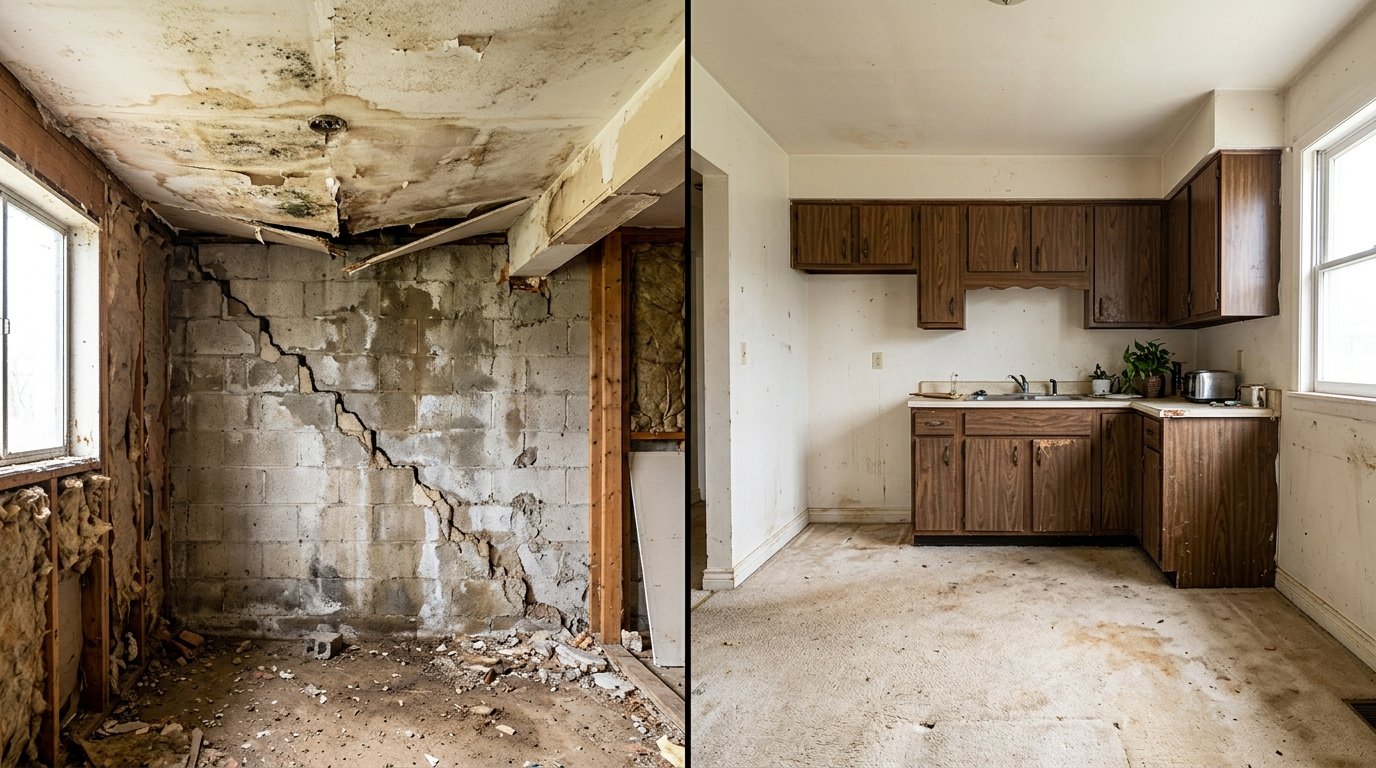
Before you choose a selling route, you need a realistic value in today’s condition and a realistic value after repairs. Think of it as two numbers: as is value and After Repair Value, often called ARV. As is value means, “What will someone pay right now, with all the work still needed?” ARV means, “What would this home sell for if it were updated like other move-in ready homes nearby?”
Start with comparable sales, but make sure your comps match condition, not just size and neighborhood. If every comp you see is fully renovated, you will overprice and waste time. If you only look at distressed sales that are far worse than yours, you might underprice and leave money on the table. A good local agent can run a condition based CMA, and a licensed appraiser can help if you need a more formal opinion. If you are also curious how much you might lose by going the as is route, read our breakdown of how much you lose selling a house as-is so you can compare your real options.
Next, get repair estimates that are specific, not guesses. Even one contractor walk through can change your whole strategy because “small” jobs often hide bigger ones behind walls and under floors. If speed is your priority, focus on separating deal breaker issues from cosmetic issues.
Here are common deal breakers buyers and investors price aggressively:
- Active roof leaks or visible water damage
- Mold concerns or persistent moisture
- Foundation movement, major cracks, or sloping floors
- Outdated electrical panels, frequent tripping, or unsafe wiring
- Failing heating or cooling systems
Common cosmetic issues that usually sell fine with the right pricing include dated cabinets and counters, old carpet or worn flooring, outdated light fixtures, scuffed paint and tired trim, and overgrown landscaping. These problems can make a home feel tired, but they do not scare off the right buyer if the price reflects the condition and the potential is clear.
When your goal is how to sell a fixer upper house fast, accuracy beats optimism. The cleaner your numbers are, the faster you can price, negotiate, and close.
Option 1: Sell As Is to Cash Buyers
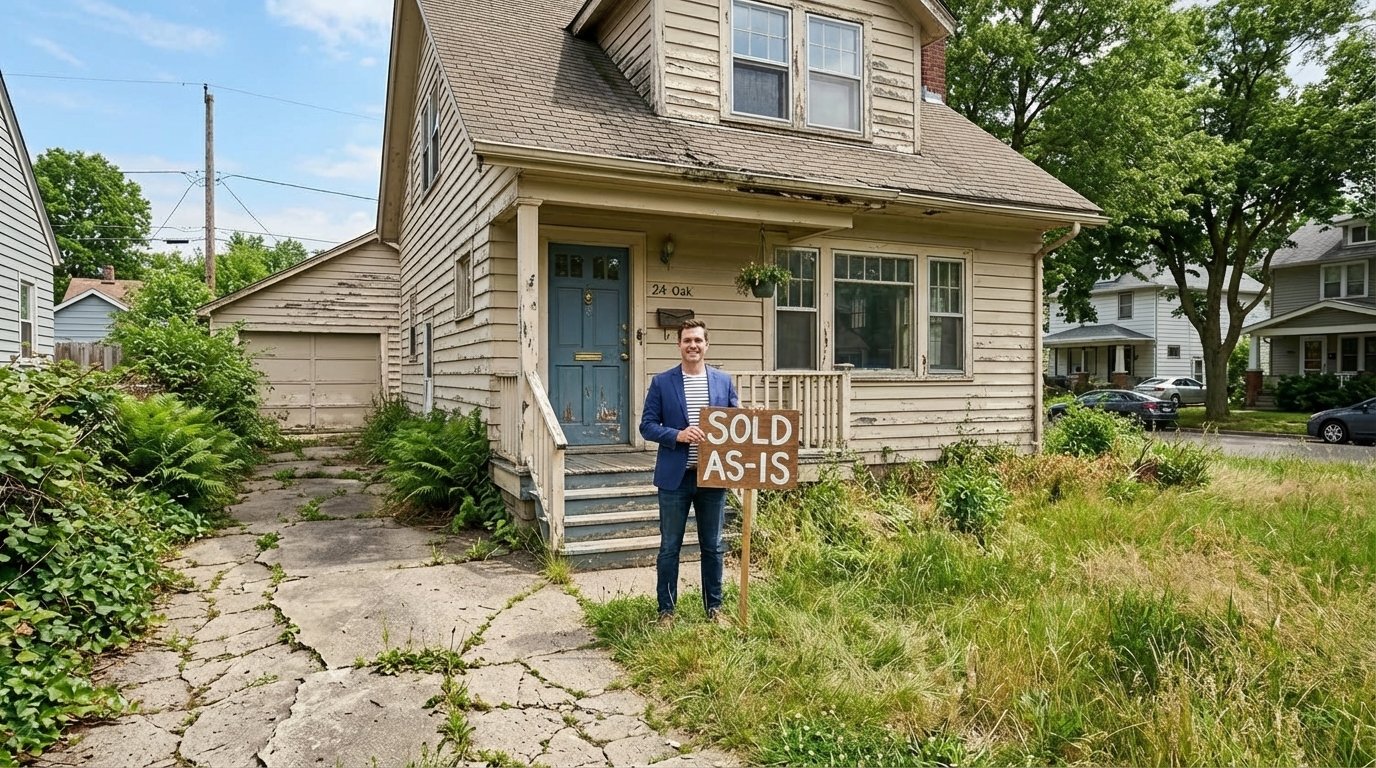
Selling as is to a cash buyer is often the quickest and simplest route because you are not doing repairs and you are not waiting on a lender. Cash buyers of fixer uppers include local investors, renovation companies, and “we buy houses” style buyers who specialize in problem properties. They buy because they can add value through renovations, then resell or rent. You can learn more about this path on our sell your house as-is page.
The main advantage is speed and fewer moving parts. A cash sale can often be completed in about a week to two weeks because it skips the mortgage process. Even when it takes longer due to title work or scheduling, the timeline is usually far shorter than a traditional financed buyer.
The tradeoff is price. When a home needs major repairs, buyers often factor repair costs into the offer and may come in meaningfully below market value, with a typical example of about 10% to 20% below market for an as is sale. In real life, the discount can be smaller for light cosmetic work, or larger when the home has major system issues. That is why getting multiple offers matters so much.
If you want to know how to sell a fixer upper house fast through cash, treat it like a mini bidding process. You want speed, but you still want competition.
A simple way to get multiple cash offers without dragging it out:
- Contact at least 3 to 6 buyers within the same 48 hour window
- Give everyone the same basic facts, photos, and your preferred closing date so the process stays fair and fast
- Set one walk through day and one clear deadline for offers
- Compare offers by net proceeds, not just the headline price, including any fees or credits
- Before you choose, ask each buyer what happens if the title has issues or if repairs turn out to be worse than expected
Watch for red flags that slow you down or cost you later:
- Vague offers that change after the walk through with no clear reason
- Pressure to sign before you can compare other offers
- Requests for upfront fees, deposits paid to them, or strange “processing” charges
- No proof of funds or unwillingness to show a closing track record
- Contracts that let them back out for almost any reason
A clean cash deal should feel straightforward: clear price, clear timeline, clear responsibilities. When done right, this is one of the most reliable paths for how to sell a fixer upper house fast in 2026. Read more about why selling your home for cash might be the right choice depending on your situation.
Option 2: Make Strategic Repairs
Strategic repairs work when your home is not a total rebuild, you can spend a limited amount, and you want a higher price without adding months to your timeline. The goal is not perfection. The goal is removing the biggest objections so more buyers can say yes.
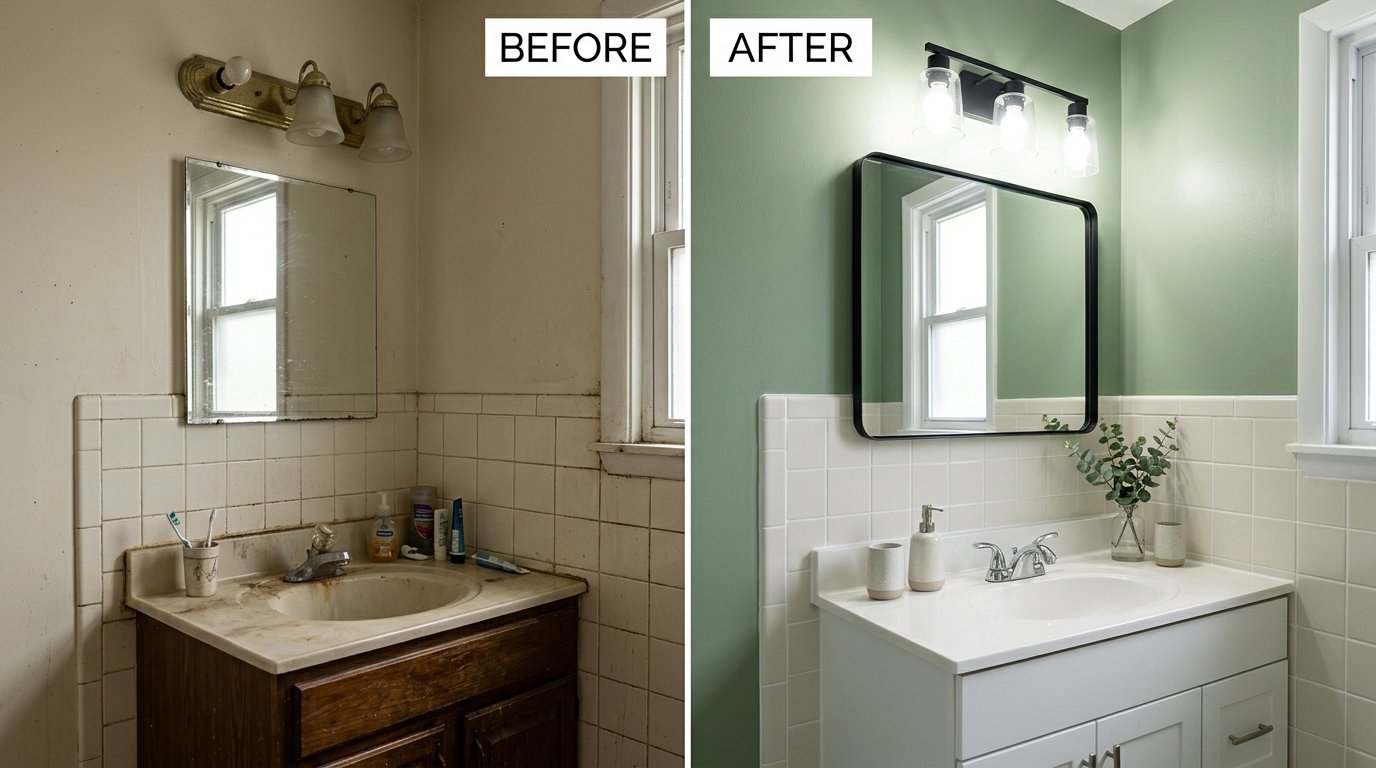
Think in terms of “confidence repairs” plus “first impression upgrades.” Confidence repairs are items that scare people, like active leaks, unsafe electrical issues, or obvious moisture problems. First impression upgrades are the low drama items that make the house feel cared for, like paint, lighting, deep cleaning, and curb appeal.
High impact repair areas that often help the most:
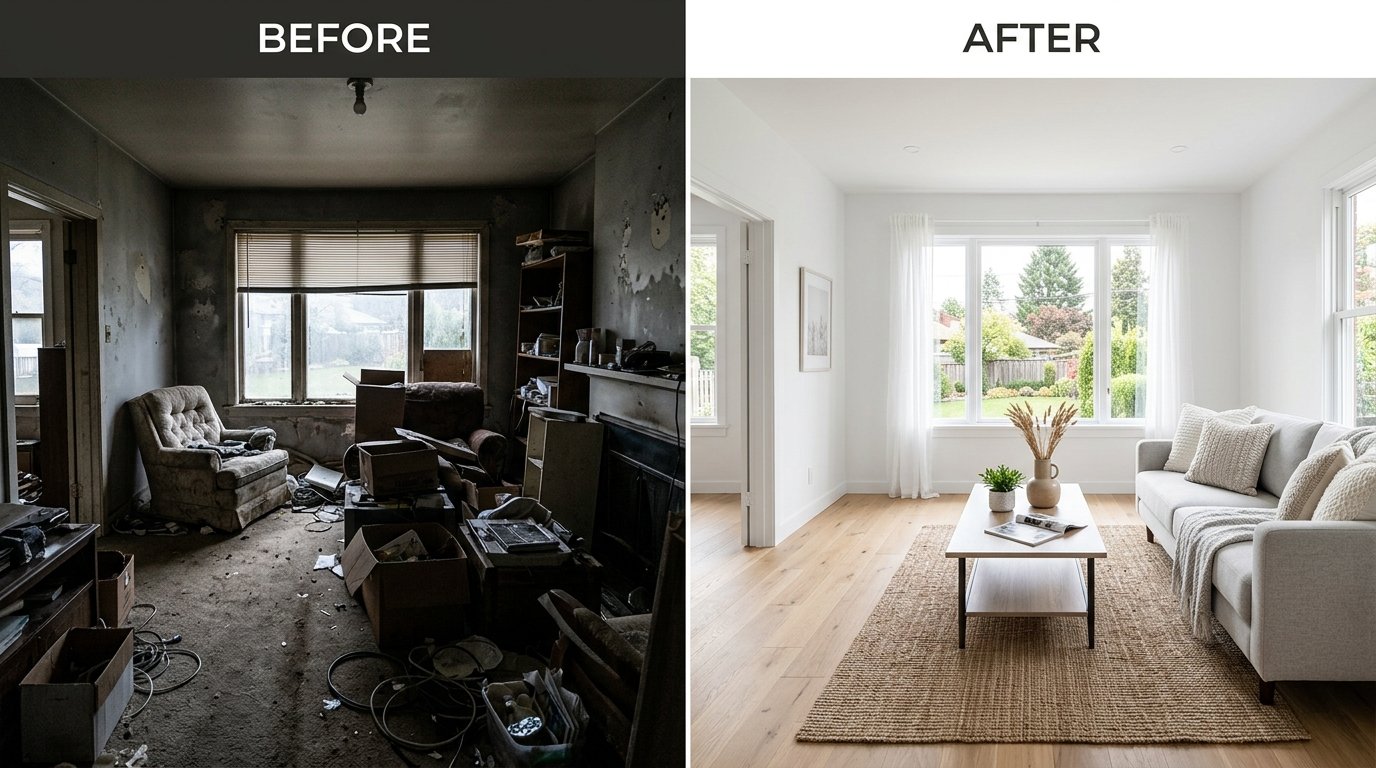
- Fresh neutral paint and bright lighting in the main rooms
- Simple landscaping cleanup with a welcoming entry
- Fixing obvious leaks, drips, and broken fixtures so buyers feel the home is cared for
- Small kitchen touches like new hardware, a modern faucet, and a clean countertop look
- A quick bathroom refresh like a new mirror, updated vanity light, fresh caulk, and clean grout
Repairs to avoid when speed is the goal:
- Full kitchen gut jobs that require permits and long timelines
- Major layout changes that open walls and create expensive surprises
- High end finishes that do not match the neighborhood price ceiling
- Big additions or conversions that delay closing and complicate appraisal
- Any project you cannot finish quickly and neatly, because half done work scares buyers
A simple budget framework helps you decide fast:
- Around $5,000: clean, paint, lights, landscaping, small plumbing fixes
- Around $10,000: the above plus selective flooring and a bathroom refresh
- Around $20,000: the above plus targeted kitchen improvements, not a full gut
DIY can save money, but only if you can do it cleanly and quickly. Bad DIY slows the sale because buyers assume hidden problems. If you use contractors, get a written scope, a tight timeline, and do not start too many projects at once.
The win here is that strategic repairs can reduce the discount buyers demand and widen your buyer pool, which supports how to sell a fixer upper house fast without automatically accepting the lowest offer. For broader prep ideas that apply to any condition, see these 5 proven ways to make your house sell faster on Long Island.
Option 3: Sell to Investors or House Flippers
Selling directly to an investor or flipper is similar to selling to a cash buyer, but the relationship can be more local and more negotiable. Many investors are constantly searching for properties with good bones, strong neighborhoods, and enough spread between the as is price and the After Repair Value.
A practical way to find legitimate investors is through referrals and proof, not promises. Ask local agents who work with investors, check local real estate investor groups, and look for buyers who can show recent closings. Redfin reported investors purchased about 17% of homes sold in the second quarter of 2025, which shows the investor lane is real, even when the market cools.
Investors usually look for:
- Location and resale demand for renovated homes
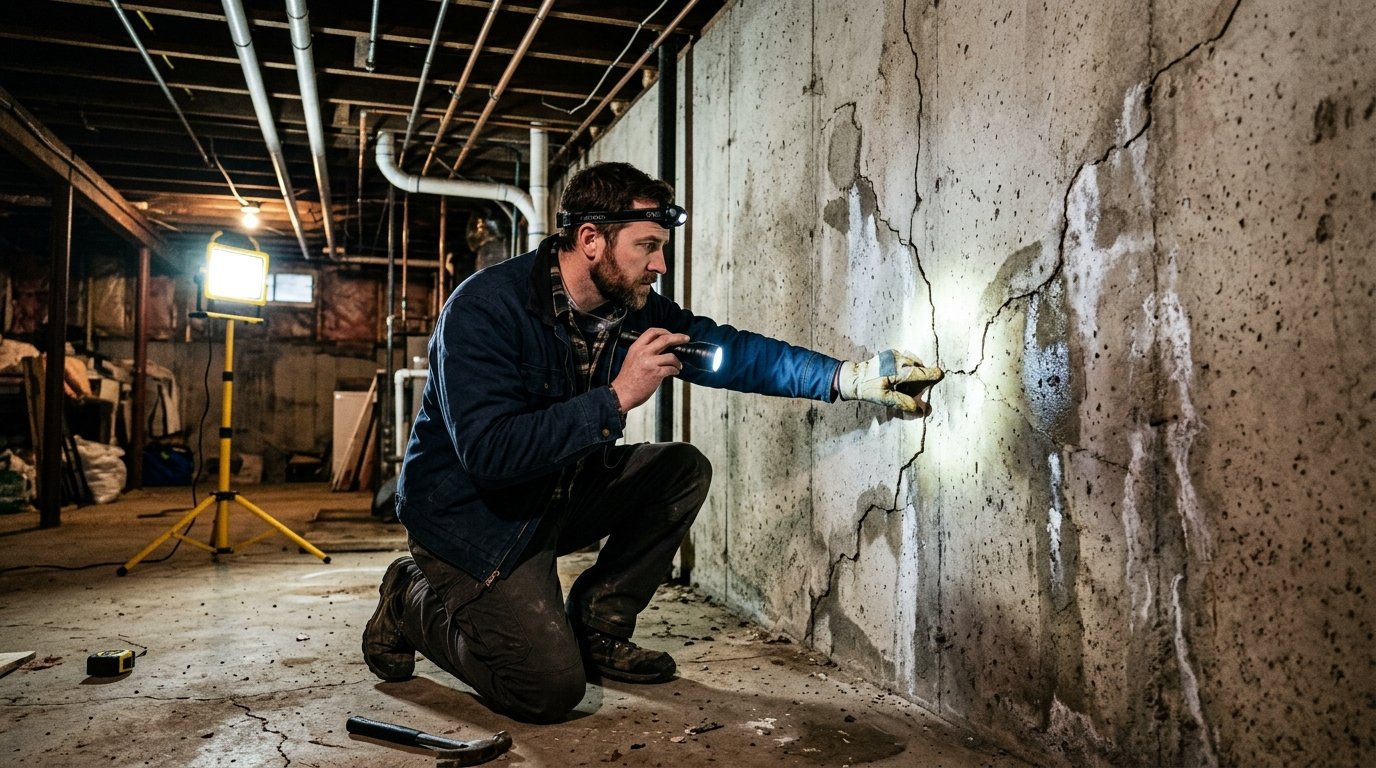
- Structural basics: roof line, foundation, framing, and moisture history
- Renovation complexity: cosmetic vs major systems
- Clear title and a clean path to closing
- Enough margin after repairs to make the numbers work
Your negotiation strategy should match your goal. If your main goal is how to sell a fixer upper house fast, you can trade a little price for certainty, but you should still protect yourself with facts. Bring repair estimates, show comparable sales, and be clear about your closing date and what stays with the house.
Know the difference between wholesale and direct sale. A wholesaler may put the property under contract and then assign it to another buyer, which can add uncertainty if they cannot find an end buyer quickly. A direct investor purchase is usually simpler: they buy it themselves and close with their funds. If speed matters, ask directly, “Are you the end buyer, and can you show proof of funds for this purchase?”
Pricing Strategy for Fixer Uppers
Pricing is the lever that controls speed. When a fixer upper is priced like a renovated home, it sits. When it is priced too low without a plan, you may attract the wrong buyers or leave money behind. The sweet spot is a price that signals opportunity while still reflecting the real cost and risk of repairs.
Start by pricing based on condition, not hope. Use distressed and semi distressed comparables when you can find them. If you cannot, adjust renovated comps by subtracting realistic repair costs plus a buffer for surprises. Buyers do not subtract repairs dollar for dollar. They also subtract for hassle, time, and risk.
This is where “as is discount” comes in. There is no fixed rule, but a home needing major repairs might receive offers around 10% to 20% below market value. If your property has multiple big ticket issues, the discount can widen. If it is mostly cosmetic, the discount can shrink.
To price for speed, leave room for negotiation without building in fantasy. Many buyers expect to negotiate on fixer uppers, especially after inspection. If you price with zero breathing room, you may end up taking a later price cut anyway.
There are two pricing moves that often help how to sell a fixer upper house fast. First, price it clearly within common online search ranges, so you get seen. Second, be transparent in the listing and showings so buyers do not fear hidden surprises. For sellers weighing the agent route against a direct sale, this Long Island agent vs cash buyer guide lays out the full comparison clearly.
Marketing a Fixer Upper Effectively
A fixer upper can market well when you sell the potential and stay honest about the condition. The best marketing does not hide flaws. It frames the story: strong location, solid layout, and a clear opportunity for the next owner.
Photography matters more than people think. Realtor found fixer uppers drew significantly more attention from online shoppers, so your photos are often the first and most important showing. You want photos that feel bright, simple, and easy to understand.
Start with clean, well lit photos that show space and structure. Do not zoom in on every scratch. Show the bones: the room sizes, the natural light, the yard, the street, and the systems that look solid. If there are major issues, document them clearly and share them once trust is built, not as a surprise during inspection.
If you want how to sell a fixer upper house fast, your listing description should do two things at once: filter out the wrong buyers and attract the right ones.
Use clear language that targets investors and project buyers:
- “Investor special”
- “Handyman opportunity”
- “Bring your vision”
- “Great bones”
- “Value add potential”
- “Sold as is”
Then back it up with specifics buyers care about:
- Call out the location advantages, like schools, commute, and nearby amenities
- Point to the parts that are already strong, such as a newer roof, a solid foundation, or updated windows
- Highlight layout benefits like a good flow, an extra bedroom, or basement potential
- Clearly state the type of updates needed in simple words so buyers know what they are signing up for
Also, choose the right channels. If you list traditionally, make sure your agent knows how to market to investors and DIY buyers, not just move in ready shoppers. If you are selling off market, share a simple information packet: photos, repair notes, your preferred closing date, and whether you allow inspections.
The clearer your marketing is, the fewer tire kickers you get, and the faster you move from interest to offer. If you have fire damage or significant visible damage specifically, see our guide on how to successfully sell a home with fire damage for targeted advice on that situation.
Disclosure and Legal Considerations

Speed is great, but protection matters. Many sellers assume that writing “as is” means the buyer cannot come back later. That is a risky belief. Selling as is does not erase legal obligations. If you know it, disclose it.
Disclosure rules vary by state, but the safe approach is consistent. Failing to disclose known defects can lead to expensive legal problems, and disclosure obligations can extend for years depending on location.
To protect yourself while keeping the deal moving:
- Use a proper as is addendum in your contract, drafted for your state
- Disclose known defects in writing, not casually in conversation
- Consider a pre inspection if you want fewer surprises and smoother negotiation
- Keep receipts and notes for any repairs or past issues you addressed
- Be clear about what stays and what goes, especially appliances and fixtures
Inspection contingencies are another speed factor. Many buyers will still do an inspection even in an as is sale. That is normal. The key is setting expectations upfront. If you will not do repairs, say so early. You can still allow inspection for information, but keep the contract language tight so the buyer cannot endlessly renegotiate.
When sellers do disclosures well, deals move faster because trust stays intact. When sellers hide things, deals slow down or collapse.
Pros and Cons: Fast Sale Methods Compared
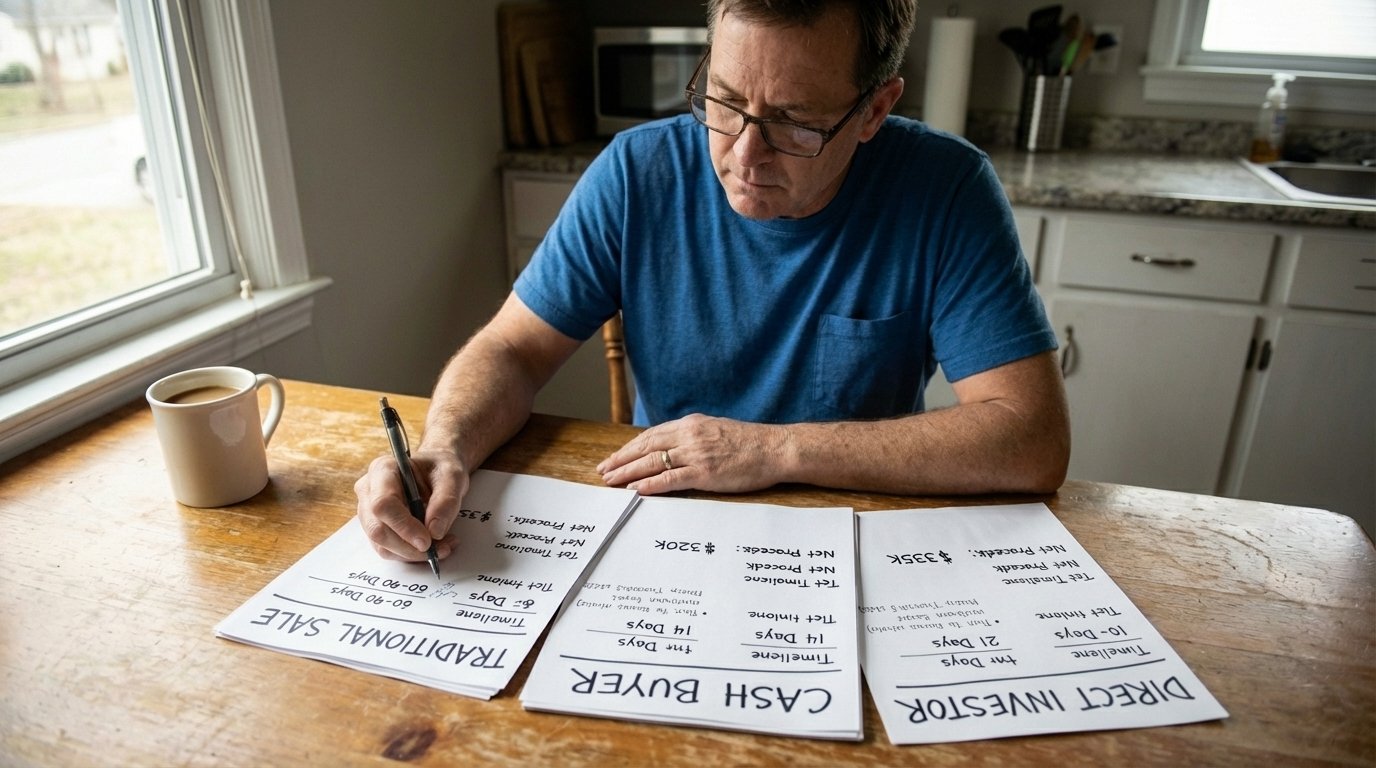
Choosing the fastest method is easier when you compare time, effort, and certainty side by side. The “best” choice is the one that fits your timeline and your tolerance for repairs, showings, and negotiation.
| Method | Typical Timeline | Repairs and Prep | Price Outcome | Best For |
|---|---|---|---|---|
| Traditional sale | 45 to 120 days | Usually needed | Often highest | Sellers with time |
| Cash buyer | 7 to 21 days | None required | Often discounted | Sellers needing speed |
| Direct investor or flipper | 10 to 30 days | None or minimal | Discount varies | Projects with clear upside |
Use this table like a filter. If you need certainty and a quick close, cash buyers and direct investors usually win. If you have time and can handle prep, a traditional sale can pay more, but it often comes with more steps and more chances for delays. Sellers who inherited a property and are unsure which route fits their situation should also read our guide on selling an inherited property, as the same tradeoffs often apply.
Conclusion
Start by being honest about two things: your timeline and your finances. If you have to move fast, do not waste weeks chasing a perfect buyer who needs a perfect house. Get your as is value and your After Repair Value, decide whether you can make a few strategic repairs, and then pick the lane that matches reality. The market for fixer uppers is still active, with strong online interest from shoppers looking for affordability and a project. When you choose the right option, you do not need luck, you need a clear plan.
If your priority is speed and simplicity, and you want how to sell a fixer upper house fast without cleaning out the whole place or coordinating contractors, consider a direct cash offer. WeBuyPropertyNY can give you a free, no obligation cash offer for your fixer upper, help you choose a closing date that fits your schedule, and let you sell in current condition. The fastest sale is the one where the price, the paperwork, and the expectations all match from day one.