Key Takeaways
- A slow market is not a dead market, but it punishes wishful pricing and sloppy presentation.
- In 2026, many buyers are cautious and listings can sit longer, so speed comes from strategy, not luck.
- The fastest sellers price ahead of the competition and make the home feel easy to say yes to.
- Staging, photos, and clean repairs are not “nice to have” in a slow market, they are the entry ticket.
- Incentives and flexibility can outperform big price cuts when buyers are payment sensitive.
- Keep a Plan B, like a cash sale, lease option, or rental, so you stay in control.
Introduction
A “slow market” is what homeowners feel when showings drop, buyers hesitate, and the average listing seems to sit longer than it used to. It is usually a buyer’s market, meaning buyers have more choices and more negotiating power. In early 2026, national reports showed slower sales and longer marketing times; the National Association of REALTORS reported the median time on market climbed to 46 days in January 2026.
Here is the good news: homes still sell fast in slow markets, but only when sellers stop playing defense. The winning plan is a mix of contrarian moves like pricing a little sharper than feels comfortable, presenting the home like a product launch, and using incentives that make buyers feel they are getting a deal without you giving away the entire price. Keep reading and you will have a clear, practical playbook to get your home sold faster, even when the market feels stubborn.
Recognizing a Slow Market
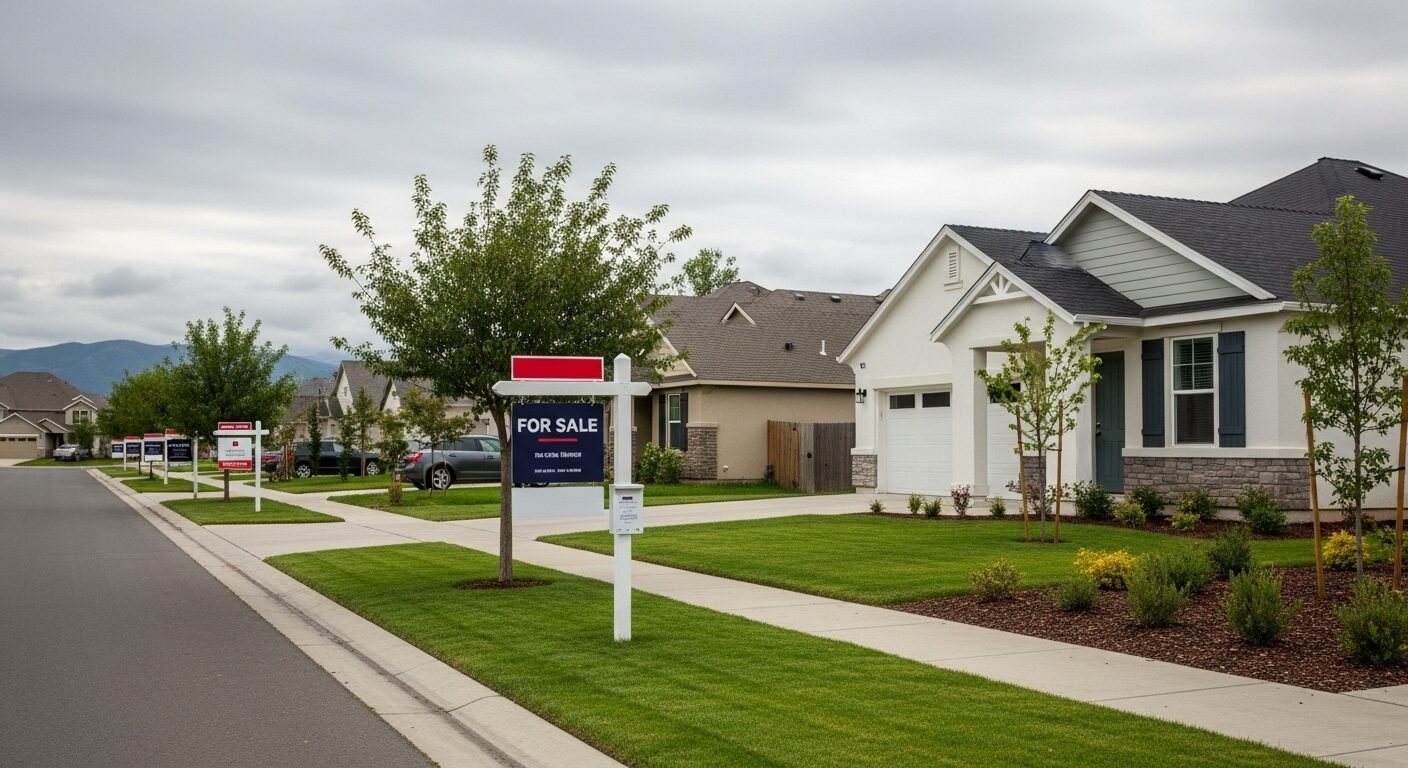
Before you change anything, make sure you are reading the market correctly. A slow market is not always national news. It can be as small as your neighborhood, your school district, or even your price bracket.
A few signs are hard to miss. Inventory grows, listings take longer to sell, and you start seeing repeated price reductions. You may also notice fewer showing requests, longer gaps between showings, and buyers asking for more concessions than you expected.
Here are the most common indicators sellers can track without being an expert:
- Higher inventory in your area, especially listings similar to yours
- Longer days on market for comparable homes
- A steady stream of price reductions on active listings
- More seller credits and “help with closing costs” language in listing remarks
- More homes selling under list price, or selling only after multiple cuts
Now zoom in on local versus national conditions. Two cities can have completely different realities in the same month. One area can be flooded with listings, while another stays tight. So do not rely on headlines alone.
To research your specific market, start with three checks. Look at active listings within a small radius that match your size and condition. Then look at sold listings from the past ninety days and compare list price versus sold price. Finally, look at the under contract listings and ask what is actually moving.
If you are asking, “How fast will my house sell,” the best answer is a pattern. If homes like yours are taking sixty days to go under contract, you can beat that, but you will not beat it by listing above them. You beat it by being the best value in the set.
Pricing Strategy in a Buyer’s Market
In a slow market, pricing is not just a number, it is the marketing. Your price decides who clicks, who tours, and who takes action before another buyer does.
The most effective strategy is to price aggressively below your direct competition, not above it. This feels uncomfortable because sellers anchor to peak values or to what a neighbor got in a hotter season. But buyers do not pay for memories. They pay for current options.
Avoid “testing the market” with a high price. In a slow market, a high price rarely brings a unicorn buyer. Instead, it makes your listing stale, and stale listings invite harder negotiation.
Pricing psychology matters. Buyers search in brackets and react to price points. Pricing at 499,000 can put you in more search results than 500,000, even though the difference is small.
You also need a plan for reductions, because in a slow market you should not wait months to respond. Treat the first two weeks as your first impression window. If the market is not responding, adjust fast while you still look fresh.
Use this simple reduction framework:
- If showings are low, your price is likely not competitive for the condition or location
- If showings are steady but offers are not coming, buyers may see hidden work or your terms are too rigid
- If you get one offer but it is weak, you may be priced slightly high for the buyer pool at that payment
A comparative market analysis is essential, but it should be realistic, not flattering. Ask for comps that match your condition, not the prettiest home three streets away. Review active, pending, and sold comps because each group tells a different story.
Finally, accept the truth with a calm mindset: you may not get peak prices in a slow market. But you can protect your net by selling faster, reducing carrying costs, and avoiding a long chain of price drops. Sellers who want to skip the pricing game entirely often explore why selling for cash might be the right choice in situations like this.
Make Your Home Stand Out
In a slow market, “good enough” stops working. Buyers have options, so they compare. Your job is to remove reasons to say no and to create confidence the moment they walk in.
Exceptional condition is mandatory, especially in the first rooms buyers see. Focus on what buyers notice in the first five minutes: entry, floors, paint, lighting, smells, and obvious maintenance issues. Small defects feel bigger when buyers are already nervous.
Professional staging is not a luxury here, it is non-negotiable if you want speed. Staging helps buyers understand scale and flow, and it makes photos work harder, which matters because many buyers decide whether to tour based on photos alone.
High quality photos and video tours are the next filter. If your photos are dark, crooked, or cluttered, your listing loses clicks and showings. If your photos make the home feel bright and clean, you get more tours, and tours create offers.
Before you list, define your unique selling propositions. It could be a finished basement, an oversized yard, a new roof, a quiet block, or a home office setup. You are not just selling square footage, you are selling a life that feels easier. If you need a broader checklist, these 5 proven ways to make your house sell faster on Long Island cover the same principles in detail.
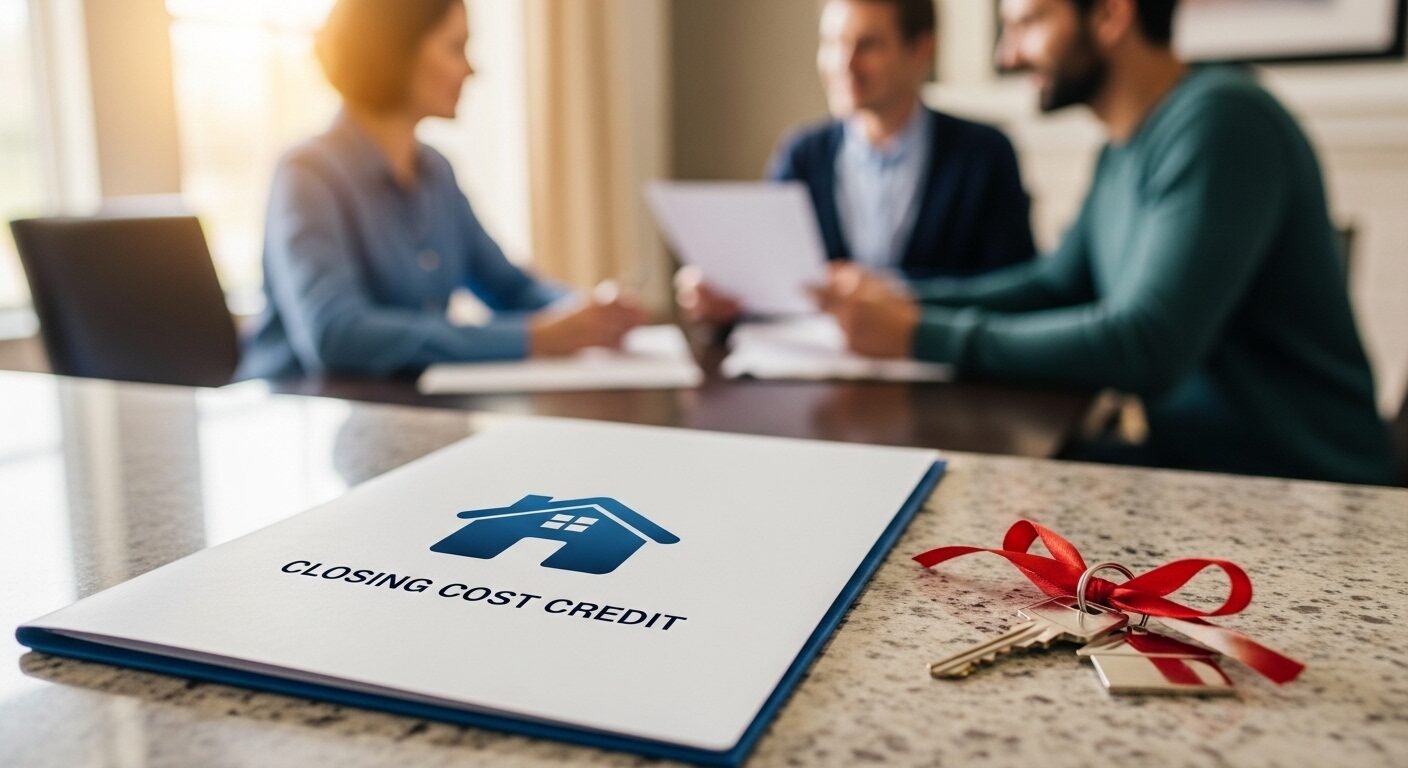
If you want to create urgency, do it with structure, not pressure. Limited time offers can work, like offering a closing cost credit only if the buyer is under contract by a certain date. The goal is to reward decisive buyers.
Aggressive Marketing Tactics
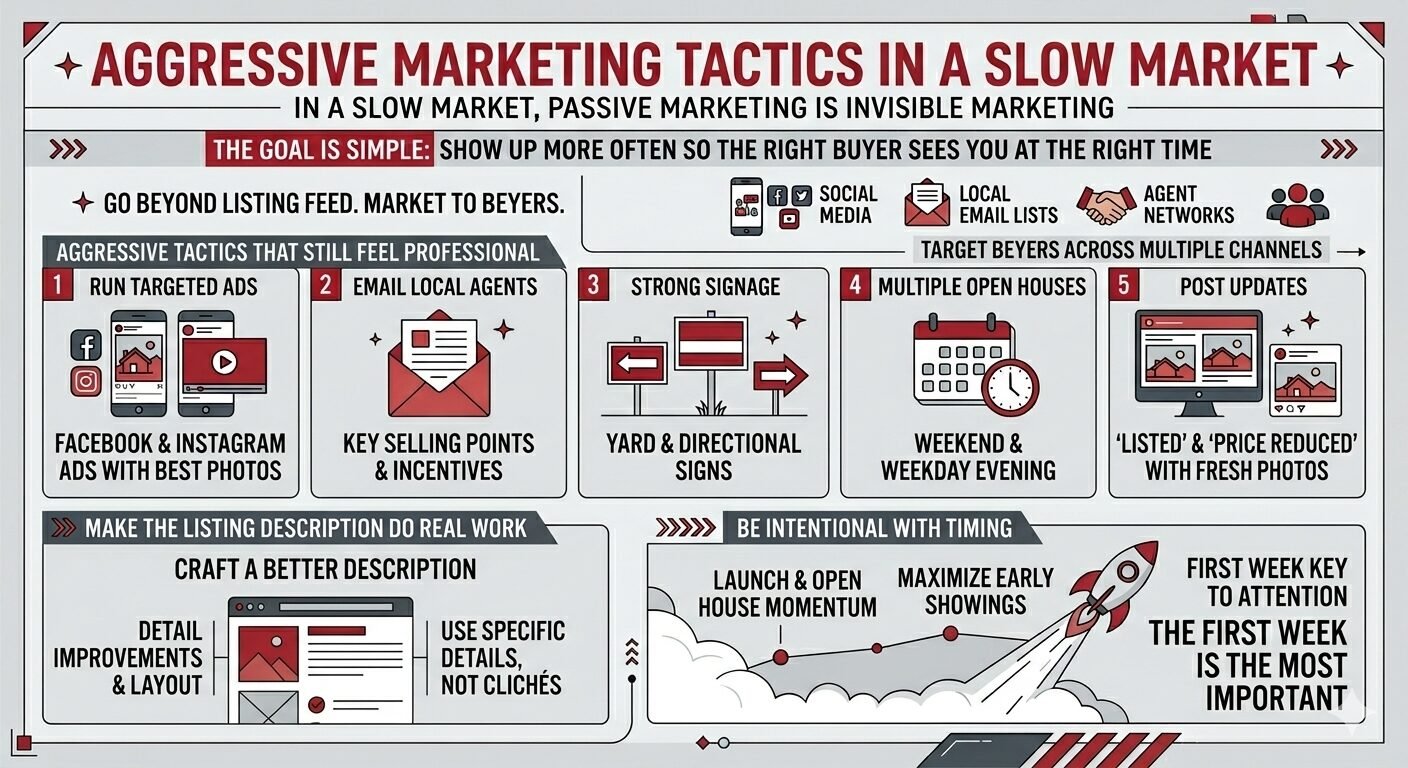
In a slow market, passive marketing is invisible marketing. The more your home shows up, the more chances you have to catch the right buyer at the right moment.
Expand your reach beyond the standard listing feed. Your marketing should follow where buyers spend attention: social media, local email lists, and agent networks. The point is not to be flashy. The point is to be consistent.
Here are aggressive tactics that still feel professional:
- Run targeted social ads on Facebook and Instagram with your best three photos and a short video walk through
- Send an email campaign to local agents highlighting the top reasons to show your home and the incentives you are offering
- Use strong signage and directional signs for open houses so local drive by traffic can find you
- Host multiple open houses, including a weekend event and a weekday evening event
- Post “just listed” and “price reduced” announcements with refreshed photos, not the same old ones
Make your listing description do real work. Spell out what is new, what has been improved, and what makes the layout practical. Replace vague lines like “won’t last” with details buyers can trust.
Also be intentional with timing. Build a launch that ends with a strong open house and easy showing access during the first week. That first week is when you want the most attention. If you are also comparing whether to go with an agent or take a different route, read this Long Island agent vs cash buyer guide before you decide.
Offer Buyer Incentives
When buyers are cautious, incentives can move the needle faster than a big price cut because they solve the buyer’s biggest pain point: monthly payment and upfront cash.
In 2026, many buyers are rate sensitive even when rates move a little. Freddie Mac reported the average 30 year fixed rate was 5.98% as of February 26, 2026, and buyers often decide based on payment comfort, not just price.
Here are incentives that often speed up a sale in a slow market:
- Cover part of the buyer’s closing costs so they need less cash upfront
- Include appliances or specific furniture pieces that help the home feel turnkey
- Offer a home warranty to reduce fear around repairs in the first year
- Be flexible with the closing timeline so the buyer can align with their lease or school schedule
- Offer a rate buydown credit through the buyer’s lender when it improves their monthly payment
- Consider seller financing in special situations, with legal guidance, when the buyer can qualify for your terms
The key is to choose incentives that fit your buyer pool. First time buyers often need closing cost help. Move up buyers may want a smooth timeline. Investors may care about speed and clean paperwork.
Be Ultra Flexible with Showings
Speed comes from access. If buyers cannot see your home easily, they move on to the next listing. In a slow market, you rarely get a second chance with the same buyer.
Aim to accept every showing request, even last minute ones. Prioritize evenings and weekends because that is when most buyers can tour. Keep counters clear, beds made, and pets managed so you can reset fast.
A professional lockbox system also helps. It lets verified agents show the home smoothly, which increases the number of tours. More tours is the fastest path to an offer.
Work with Top Agents in Slow Markets
Not all agents are built for slow markets. In hot markets, homes can sell themselves. In slow markets, the agent’s plan matters.
Look for an agent with proof they have sold homes in tougher conditions, not just in peak years. Ask what they do in the first seven days, how they price, and how they create demand. Ask for examples of listings they improved with better photos, staging, and outreach.
Marketing budget matters more in slow markets. A strong agent invests in photos, video, ads, and agent to agent promotion.
Negotiation skills are essential because offers may come in low. A good agent keeps the deal together while protecting your net, managing inspection requests, and keeping timelines tight.
In some cases, a slightly higher commission can support a bigger marketing push and keep your listing a priority. Some sellers also weigh whether they can save on the 6% commission by selling without a realtor and handling more of the process themselves.
Alternative Exit Strategies
A smart seller in 2026 keeps options open. Plan B is not failure, it is leverage. When you have alternatives, you negotiate with confidence.
Selling to a cash buyer or investor can be the fastest path when speed matters more than squeezing every dollar. Cash buyers can often close quickly, and they may buy as is, which can save you months of repairs and showings. You can sell your house as-is to avoid the entire repair and staging process. This is where “We Buy Houses” style companies can help in slow markets, because they are built for speed and certainty.
Rent to own arrangements and lease options can work when a buyer loves the home but cannot qualify right away. These can create income while you wait for a future purchase, but they require solid contracts and careful screening.
Sometimes renting is the right move if the rental market is strong and you can comfortably carry the property. Renting can buy time, but it also comes with tenant risk and maintenance responsibility.
An auction is usually a last resort. It can work for unique situations like estates or properties that need major work, but it can also bring uncertain pricing. If you are in a foreclosure situation, there are also specific options for selling your house in foreclosure before it goes too far.
What NOT to Do in a Slow Market
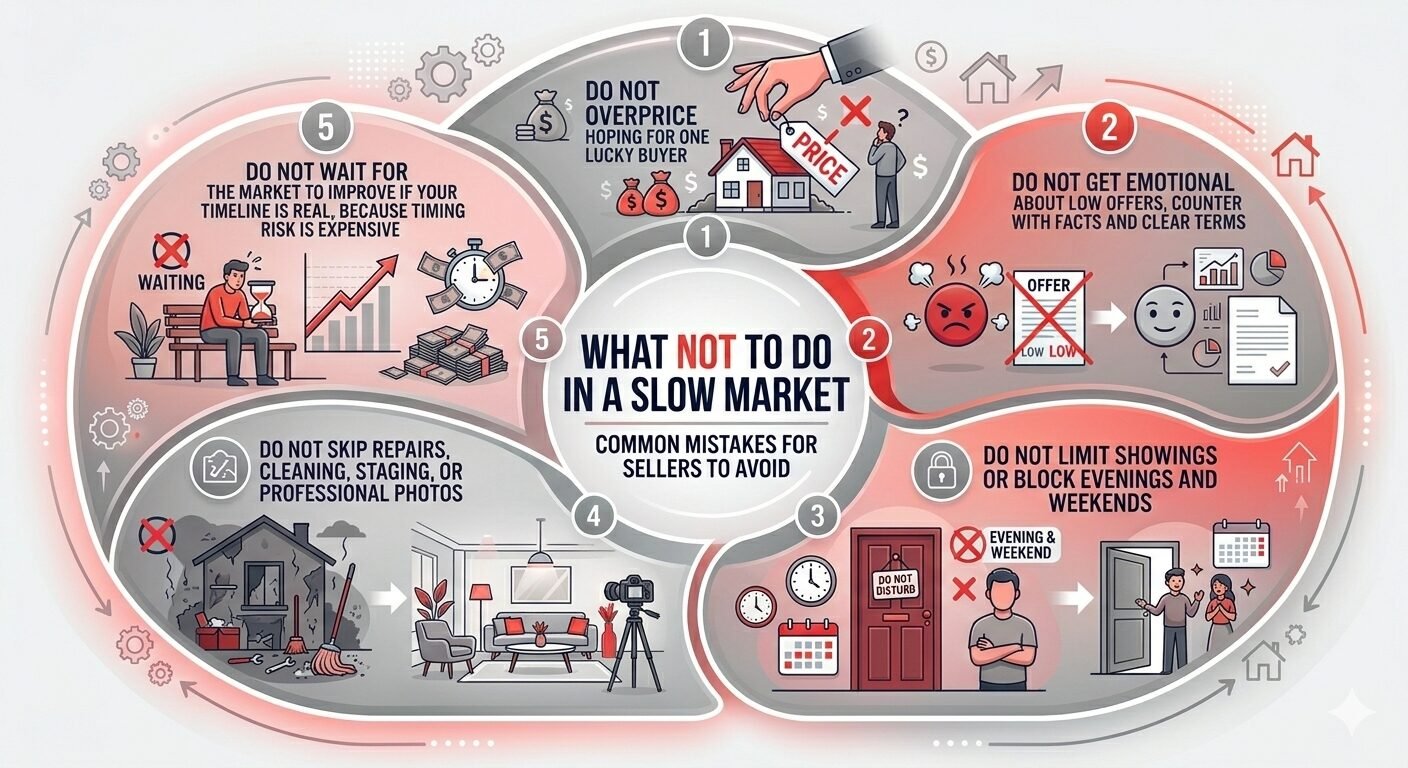
Slow markets punish denial. The biggest mistakes are the ones that make a listing sit, because time becomes a silent price cut.
Here is what to avoid if you want speed:
- Do not overprice hoping for one lucky buyer
- Do not get emotional about low offers, counter with facts and clear terms
- Do not limit showings or block evenings and weekends
- Do not skip repairs, cleaning, staging, or professional photos
- Do not wait for the market to improve if your timeline is real, because timing risk is expensive
If your home has been listed for weeks with no traction, do not keep doing the same thing. Re-launch with sharper pricing, refreshed photos, and a stronger incentive, so buyers see a clear change. If the property has visible damage that is holding buyers back, read about how to successfully sell a home with fire damage or other condition issues that tend to scare off traditional buyers.
Conclusion & Action Plan
Selling fast in a slow market is not about one trick. It is about stacking small advantages until the buyer feels like your home is the obvious choice. When you price ahead of the competition, present the home beautifully, market aggressively, and stay flexible on showings and terms, you turn a slow market into a manageable process.
Be realistic about timeline and price, but do not be passive. Pick your strategy, set a two week checkpoint, and adjust quickly if the market is not responding. If you want a competitive market analysis to price correctly, or you need a fast, no hassle option, reach out for a cash offer with WeBuyPropertyNY.