Key Takeaways
- Yes, you can sell a house without an inspection, especially to a cash buyer or investor who is willing to take on more risk.
- As-is does not cancel disclosure laws. You still have to share known problems honestly.
- Most traditional buyers still prefer inspections, so the buyer type matters more than the listing language.
- The biggest upside is speed and fewer surprises, because there is no inspection period, repair fight, or long renegotiation.
- The biggest downside is a lower offer, since buyers usually build extra risk into their numbers.
- Good paperwork and full disclosure protect you, especially when you want a smooth closing and less legal risk.
Introduction
For many homeowners, the scariest part of selling is not the open house or the waiting. It is the inspection. A deal can look perfect one day and feel shaky the next after an inspector points out roof issues, old plumbing, electrical concerns, foundation cracks, or water damage. That fear is real because inspections often become the moment when buyers ask for credits, repairs, or price cuts. At the same time, skipping that stress is not just wishful thinking. The National Association of Realtors reported that a meaningful share of buyers waived the inspection contingency in early 2025, which shows that inspection free deals do happen even though they are not the norm.
So, can you sell a house as-is without inspection? Yes, you can, but only in the right situation and usually with the right kind of buyer. This option tends to work best for sellers who need speed, own a property that needs major work, inherited a house they do not fully know, or simply do not want months of stress and back and forth. If you are wondering how this works, what the risks are, and whether it is the right move for you, keep reading because this guide breaks it all down in simple, practical terms.
The Direct Answer: Yes, You Can
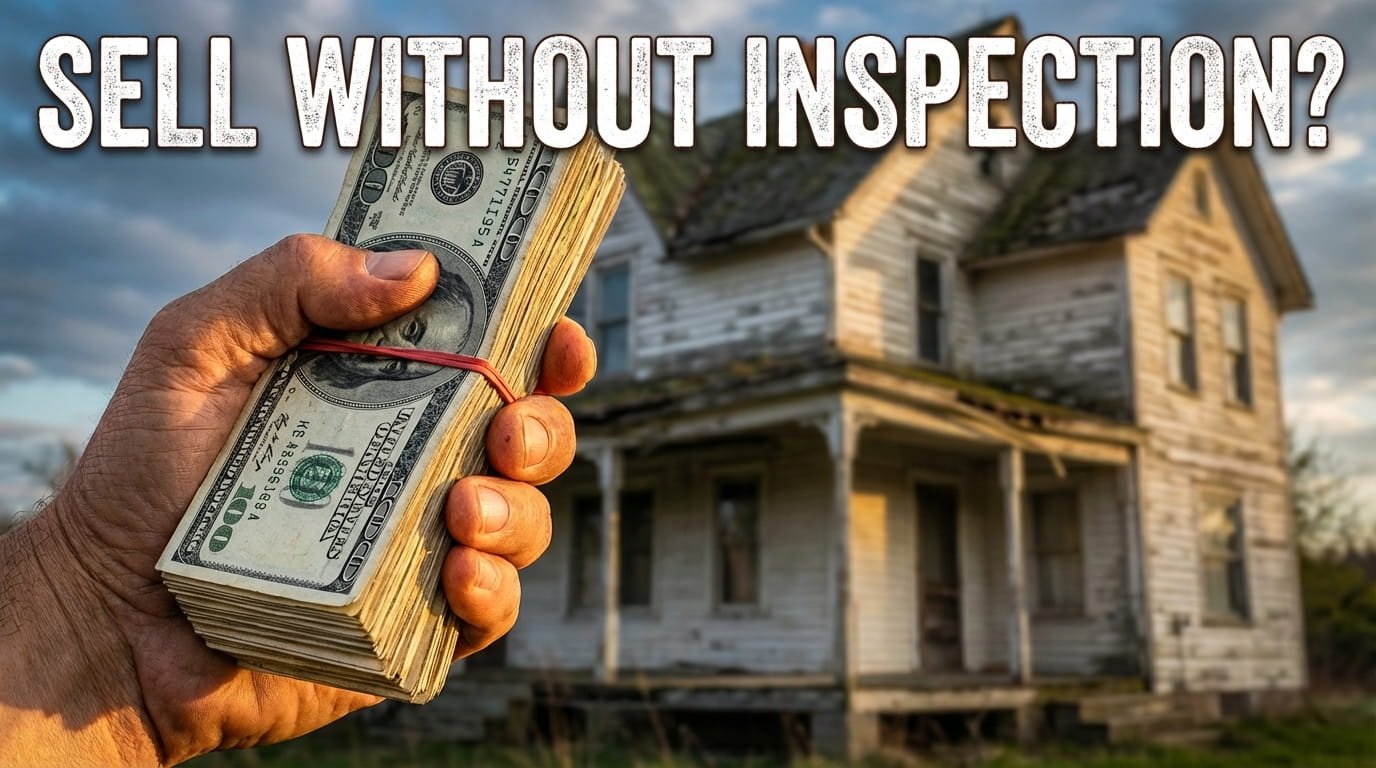
Yes, can you sell a house as-is without inspection has a real answer, and that answer is yes. A house can absolutely be sold in its current condition without the buyer ordering a traditional inspection. This happens most often when the buyer is paying cash, is experienced, and is comfortable taking on the unknowns. In many investor deals, the buyer may do only a short walk through, rely on contractor knowledge, or waive the inspection contingency entirely. That is why sellers who want speed often focus on cash home buyers, local investors, or direct purchase companies rather than waiting for a financed retail buyer.
But there is an important difference between what is legally possible and what is practically easy. Legally, a buyer can waive inspection rights in many transactions. Practically, not every buyer will do it. Most owner occupants still want due diligence, and even when a buyer skips a general inspection, federal and state disclosure rules still matter. For example, sellers of homes built before 1978 must comply with federal lead based paint disclosure rules, and states such as California, Texas, and Florida still require specific disclosures in residential sales.
Understanding as-is Sales
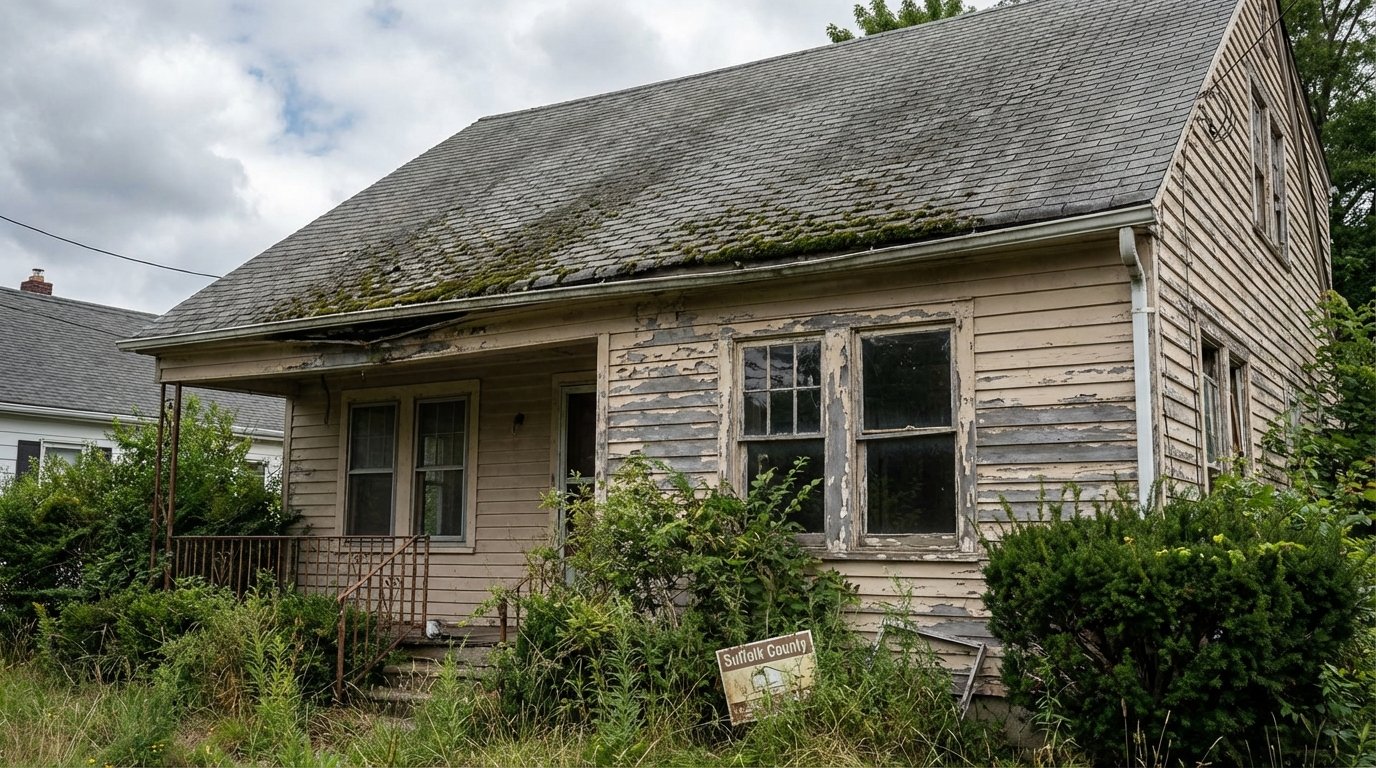
As-is sounds simple, but many sellers misunderstand what it really means. The phrase affects repairs, not your legal duty to be honest.
What as-is Really Means
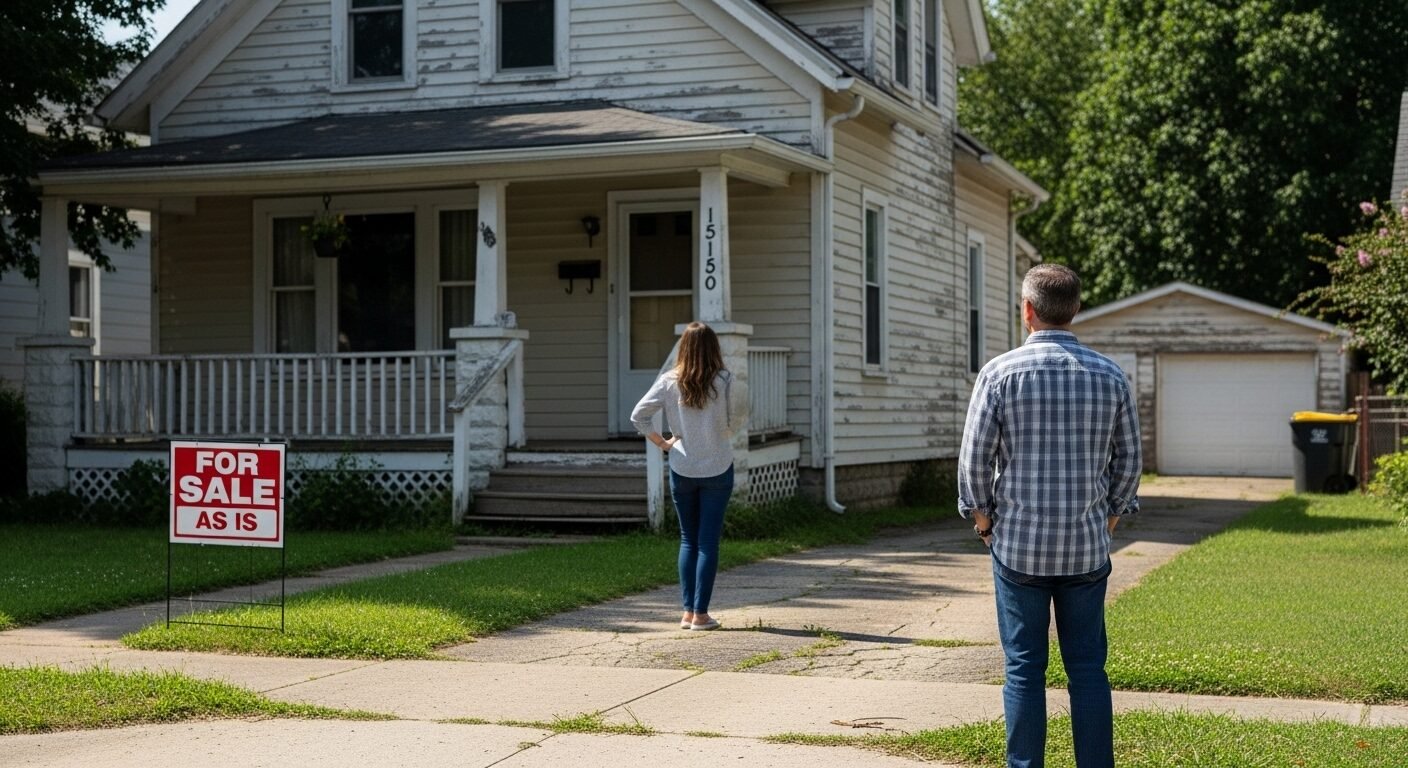
An as-is sale means the seller is offering the property in its current condition. In simple words, that means the seller is not promising to fix defects, replace old systems, or improve the home before closing. The buyer agrees to take the property with its current problems, visible or not, subject to whatever rights are written into the contract. But as-is does not mean the seller can stay silent about known defects. Disclosure still matters, and in many states, the seller must provide written disclosures even in an as-is sale.
As-is With Inspection
This is the most common version of an as-is deal. The buyer still inspects the property, but the seller makes it clear from the beginning that they do not plan to make repairs. Sometimes the inspection is for information only. That means the buyer can learn about the condition of the home, decide whether to move forward, and avoid buying blindly, but the seller does not want a long repair list later. This setup protects the buyer while still keeping the seller in control.
As-is Without Inspection
This version is less common, but it is the one many stressed sellers are really asking about. In this setup, the buyer waives the inspection contingency and accepts the property with more uncertainty. That is why the question “can you sell a house as-is without inspection” usually points toward investors, flippers, landlords, or direct cash buyers. These buyers understand risk better than the average homeowner, and they usually build that risk into their offer price.
Types of Buyers Who Skip Inspections
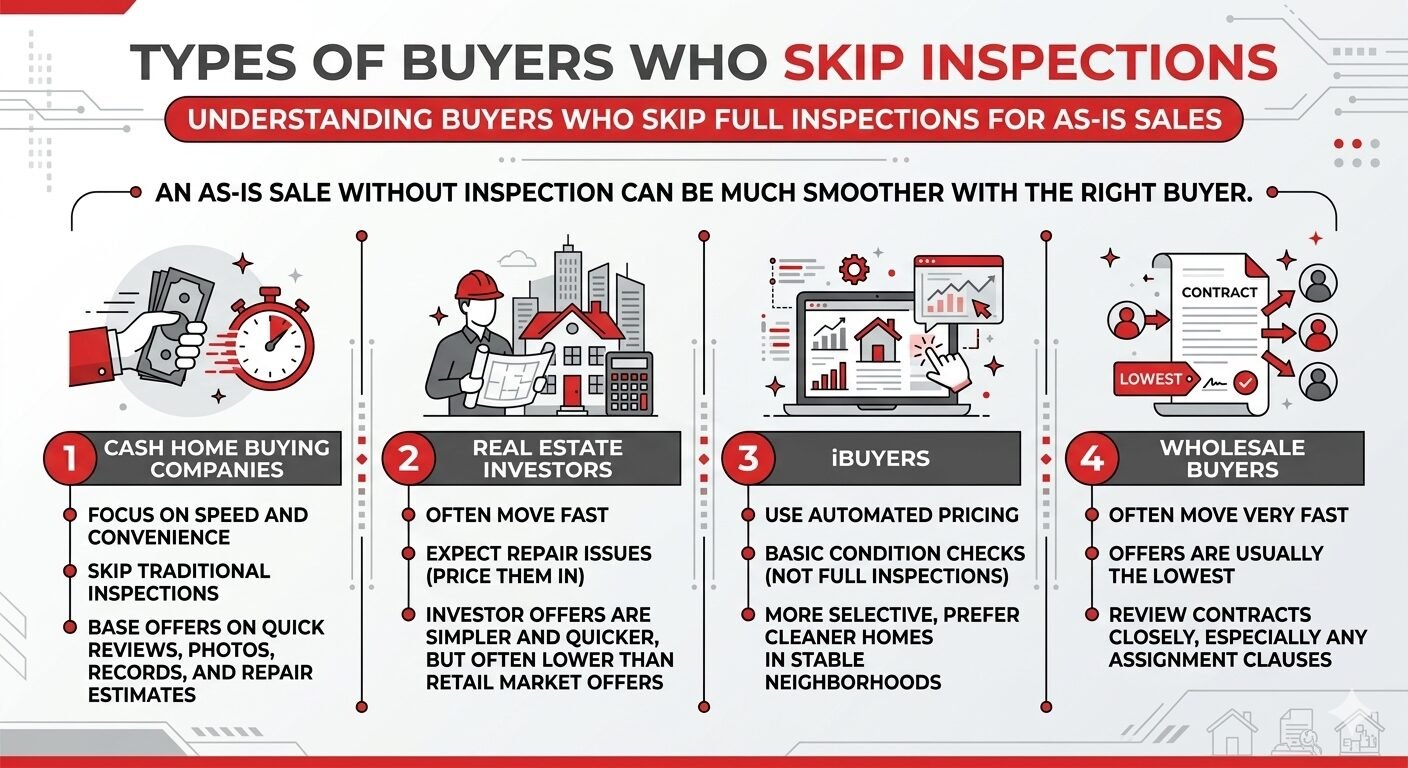
The buyer matters just as much as the property. If you want to avoid inspection drama, you need a buyer who is built for that kind of deal.
Cash Home Buying Companies
Cash home buying companies are one of the most common answers to can you sell a house as-is without inspection. These companies are built around speed and convenience. Many of them buy homes in rough condition, handle title work quickly, and close in as little as 7 to 14 days when the paperwork is clean. Some will not order a traditional inspection at all. Instead, they may use a quick visit, photos, public records, repair estimates, or a short in person review to decide value. Their goal is not to live in the home. Their goal is to buy at a number that leaves room for repairs, resale, or rental income.
Real Estate Investors
Many local investors also buy without a formal inspection. They may be house flippers, landlords, or builders who have seen enough properties to judge the basics quickly. Often they bring a contractor, do a short walk through, and move straight to numbers. They know roofs leak, plumbing fails, and surprises happen. Instead of trying to remove all risk, they simply price the risk in from the start. That is why investor offers are often faster, simpler, and lower than retail offers.
iBuyers
Some iBuyers can offer a middle path. They may rely heavily on automated valuation models and a basic property review rather than a long traditional inspection process. That said, they do not always skip condition review completely, and they are usually more selective about the homes they will buy. Clean homes in predictable neighborhoods tend to fit them better than heavily distressed properties. Recent market data also shows iBuyers make up only a small share of seller transactions, so they are not available or suitable in every market.
Wholesale Buyers
Wholesale buyers usually put a property under contract and then assign that contract to another investor. Their due diligence can be minimal, and they often move very fast. The downside is that wholesale offers are typically among the lowest because the contract needs enough room for both the wholesaler and the end buyer to make money. This route can work, but sellers need to read the contract carefully and watch for assignment clauses.
Can You Sell Your House as-is? Real Life Scenarios
There is no single right way to sell a house in rough condition. The best path depends on your time frame, price goal, and tolerance for uncertainty.
Scenario 1: Traditional Listing as-is
You can list the property on the MLS and market it as-is. This can attract bargain hunters, some investors, and regular buyers looking for value. But most retail buyers will still want an inspection. Even if you refuse repair requests, the inspection can still scare them away or lead to a cancellation if the contract allows it. So yes, you can sell as-is through the traditional market, but that does not automatically mean no inspection. In fact, this route often takes longer and brings more emotional ups and downs because multiple buyers may look interested until the inspection brings reality into the room.
Scenario 2: Cash Buyer With No Inspection
You sell directly to an investor or home buying company, sign an as-is contract, waive the inspection contingency, and move toward closing. Many of these deals close in 7 to 21 days. The biggest trade off is price. In exchange for speed and certainty, sellers often accept less than full retail value. Still, when a home needs major repairs, has tenant problems, is inherited, or must be sold fast, this option can make financial and emotional sense.
Scenario 3: As-is With Information Only Inspection
This is a common middle ground. The buyer is allowed to inspect the property for peace of mind, but the agreement limits or removes repair negotiations. That means the seller avoids a long repair list while the buyer avoids buying in total darkness. For many sellers, this feels balanced. It reduces surprises without reopening the whole deal every time a worn out component appears on the report.
Which Scenario Works for You
If you need the highest price and can handle delays, the traditional route may still work. If you need speed and certainty, a direct cash buyer is usually stronger. If you want something in between, an information only inspection can be a smart compromise. The real question behind can you sell a house as-is without inspection is not just whether you can. It is whether the convenience is worth the discount in your situation.
The No Inspection Advantage
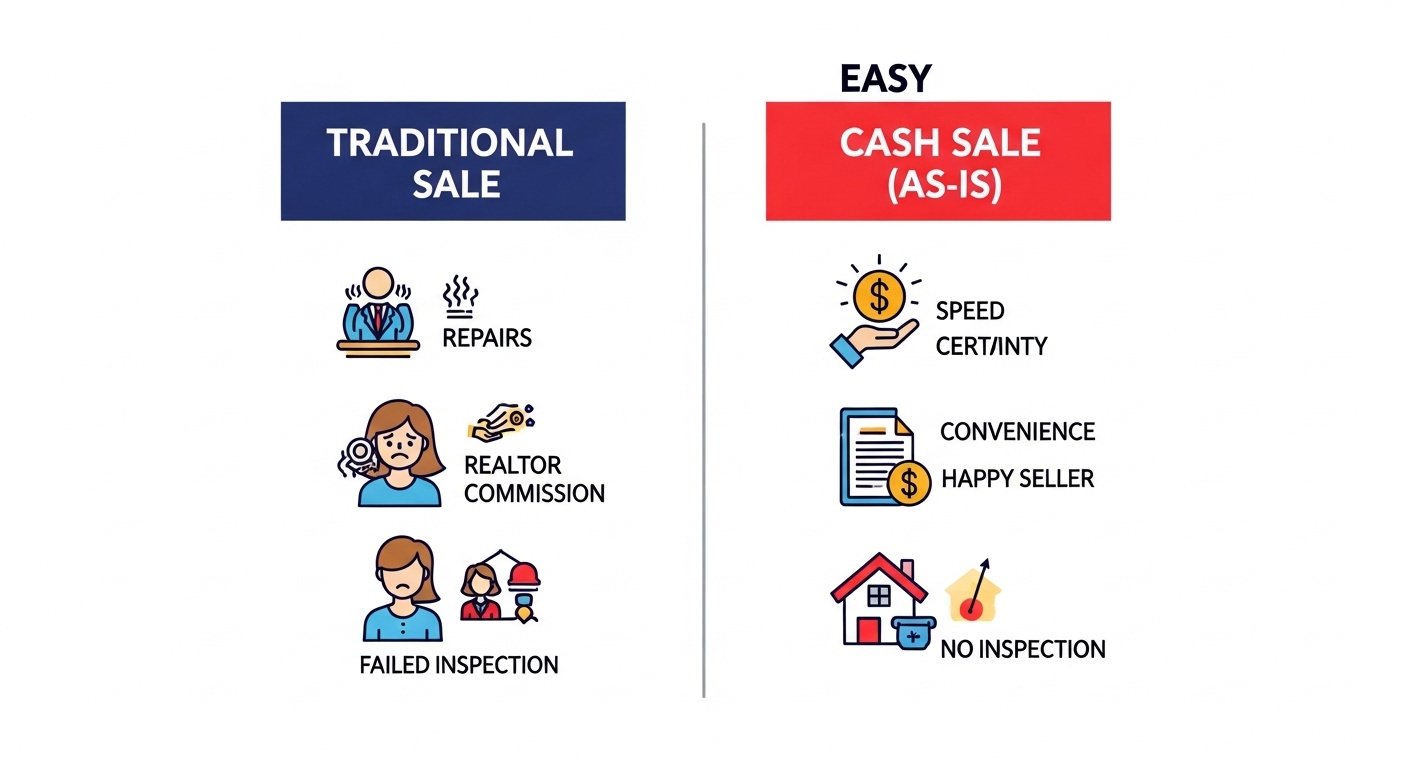
For many sellers, the appeal is not just speed. It is the relief of removing one of the biggest deal killers in real estate.
Speed
Without a traditional inspection, there is no waiting for an inspector, no multi day scheduling gap, and no pause while the buyer studies a long report. That can move a deal along much faster, especially when the buyer already has cash and clear proof of funds.
Certainty
One of the biggest benefits is knowing the deal is less likely to fall apart over a repair list. When a buyer waives inspection, there is usually less room for sudden renegotiation. In many cases, what you are offered early is much closer to what you actually receive at closing. That certainty is a huge reason why you can sell a house as-is without inspection is such a common question from overwhelmed sellers.
Convenience
You do not need to clean the home for an inspector, unlock every utility area, gather repair invoices, or spend days pricing out fixes you never wanted to make. You also avoid long arguments over what is major, what is minor, and what should be credited.
Privacy
Some sellers simply do not want strangers walking through every flaw in the property. If the home has deferred maintenance, tenant issues, estate clutter, or visible damage, skipping inspection can feel more respectful and less stressful.
Stress Reduction
The emotional benefit is real. No waiting for a report. No fear of a giant repair request. No call from the agent saying the buyer is having second thoughts after reading 42 pages of findings. For many people, that peace is worth real money.
The Risks and Downsides
The benefits are real, but so are the trade offs. A smart seller should understand both before choosing this path.
Lower Offers
Buyers who skip inspection usually protect themselves by offering less. They know they are taking on hidden risk, so they price in a cushion. The exact discount depends on the home, the market, and how serious the condition issues are, but sellers should not expect a no inspection offer to feel like a top retail number.
Disclosure Still Required
This part matters most. Can you sell a house as-is without inspection does not mean you can hide problems. Federal law still requires lead based paint disclosure for many homes built before 1978, and states still impose their own disclosure duties. California uses its transfer disclosure framework, Texas requires a seller disclosure notice in many residential sales, and Florida requires flood disclosure at or before contract execution for residential property.
Limited Buyer Pool
Most owner occupants want information before they buy. Financed buyers also tend to be more cautious, and their lenders, insurers, and appraisers may create more condition scrutiny than a cash investor would. That means a true no inspection sale usually points to a smaller buyer pool.
No Recourse Cuts Both Ways
A buyer who waives inspection usually has fewer ways to complain later about issues they chose not to investigate. But that does not protect a seller who knowingly failed to disclose material facts. Good contracts help, but honesty and documentation matter more.
How to Sell as-is Without Inspection Successfully
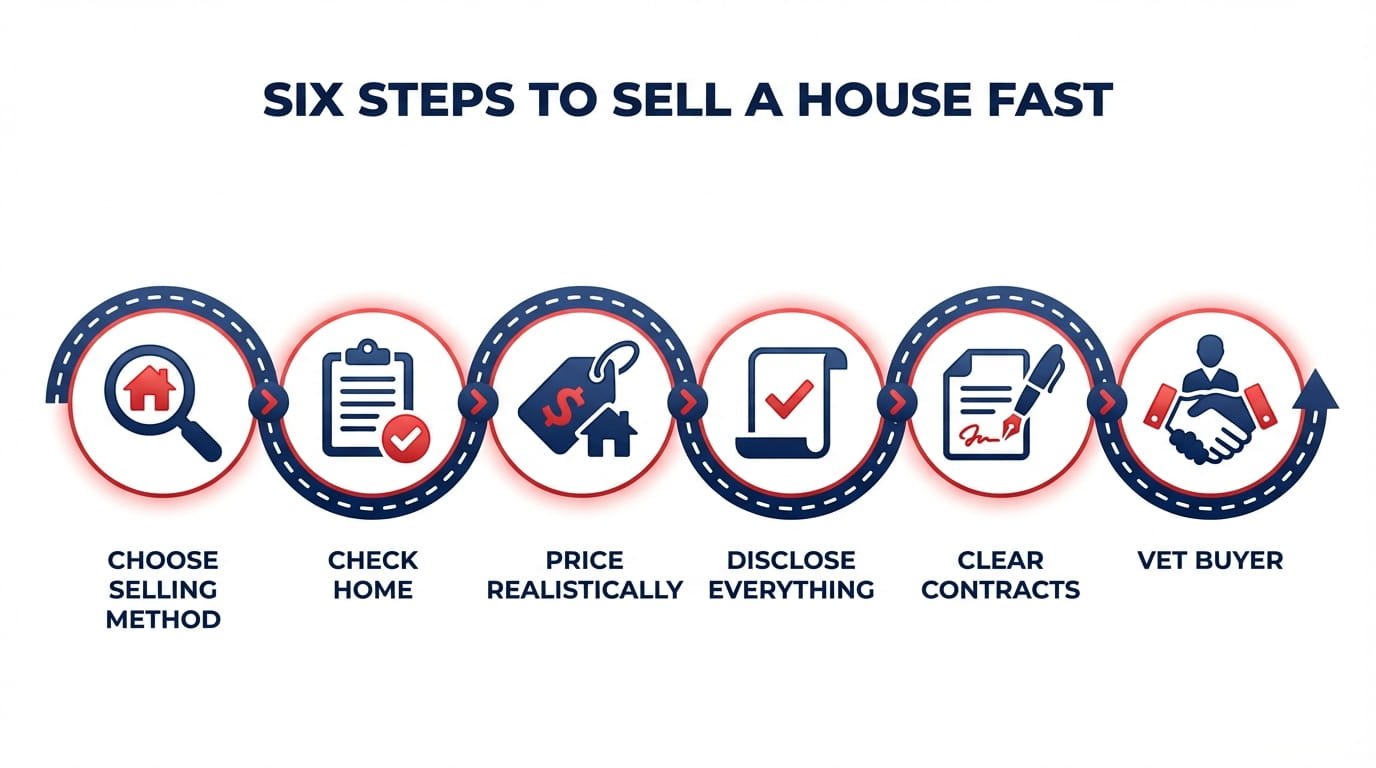
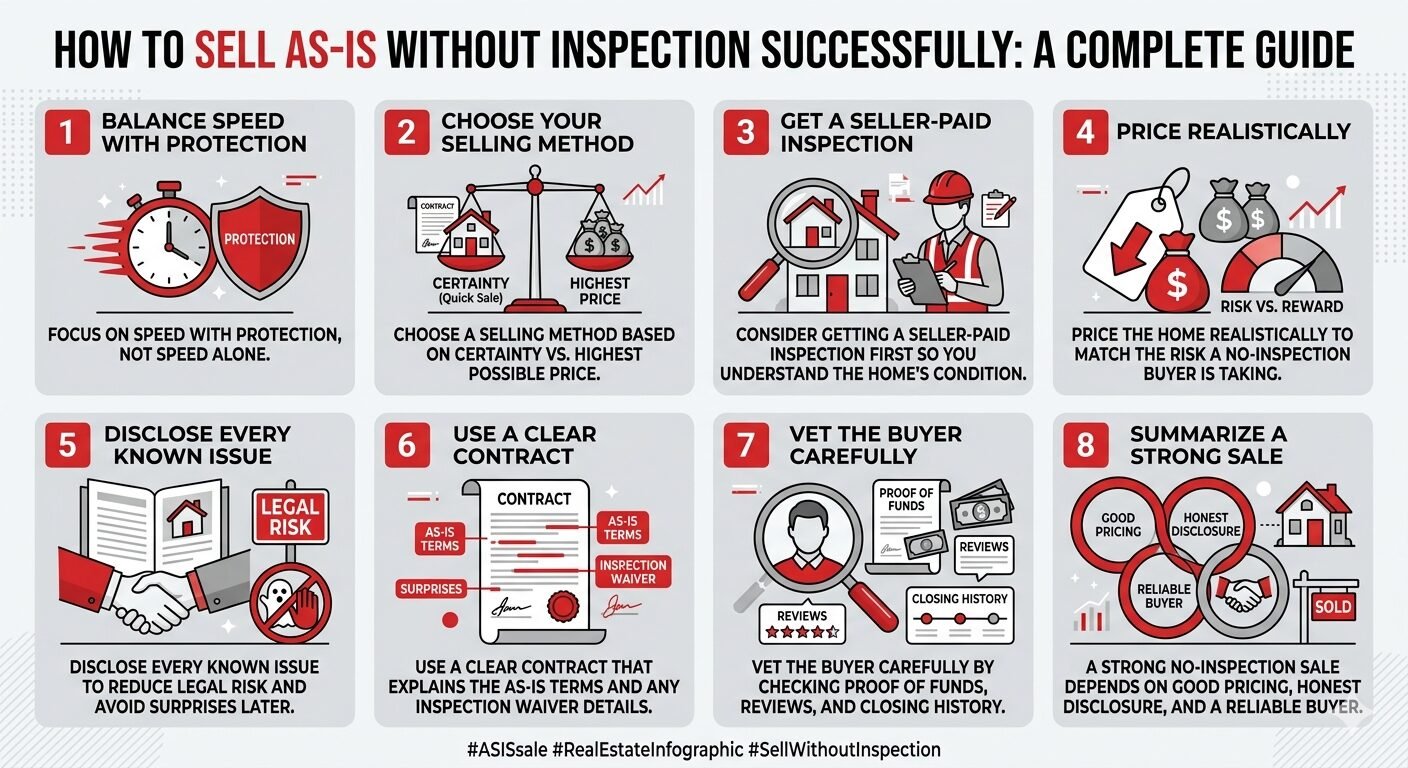
If you want this path to go well, the goal is not just speed. The goal is speed with protection.
Step 1: Choose the Right Selling Method
If your top priority is certainty, go directly to a verified cash buyer or investor. If your top priority is maximizing price, list on the open market and accept that inspection is more likely. Your selling method shapes almost everything that follows.
Step 2: Get the Home Checked First if Needed
This may sound backward, but a seller paid inspection can be smart. It gives you a better picture of what you own, helps you disclose honestly, and reduces the chance of being surprised later. Even if the buyer skips inspection, your own knowledge can protect you. This is especially helpful in inherited homes, older homes, or houses that have sat vacant for a long time.
Step 3: Price Realistically
A no inspection sale should be priced with logic, not hope. If buyers are taking on more risk, the number must reflect that. Look at distressed sales, repair costs, and investor margins in your area. Overpricing an as-is house usually leads to a stale listing or a weak contract later.
Step 4: Disclose Everything You Know
This is where sellers protect themselves. Make a full list of known defects, leaks, flood history, unpermitted work, old systems, insurance claims if required, and anything else your state form asks about. When in doubt, disclose more rather than less. Federal lead rules and state disclosure rules still apply even when the property is sold as-is.
Step 5: Use Clear Contracts
Make sure the agreement clearly states the property is being sold as-is, explains whether inspection rights are waived, and lays out what happens if the buyer discovers an issue before closing. A real estate attorney or experienced title professional can help make sure the paperwork matches the deal structure.
Step 6: Vet the Buyer Carefully
Ask for proof of funds. Read reviews. Confirm they have actually closed deals before. Be cautious with buyers who want broad assignment rights or seem vague about where the money is coming from. The best no inspection deal is still a real deal, not just a quick promise.
State Laws and Legal Requirements
Every seller should know one thing: as-is language does not erase the law. Federal lead based paint rules still apply to many homes built before 1978, and state disclosure rules vary. California requires seller disclosure through its transfer disclosure system and gives buyers certain rights if disclosure is delivered late. Texas requires a seller disclosure notice for many residential sales. Florida requires a flood disclosure at or before contract execution for residential property, and the state has recently expanded flood related disclosure requirements.
This is why local advice matters. Some states lean heavily on statutory forms. Others rely more on case law and broad duties to disclose known material facts. A title company can help move the closing along, but it does not replace your obligation to disclose what you know. When the property has major issues, tenant complications, or estate questions, getting legal guidance is often worth it.
Common Myths Debunked
There is a lot of confusion around as-is sales. These myths cause sellers to either panic or expect the wrong outcome.
- Myth: As-is means you can hide everything.
Reality: You still have to disclose known material problems and follow federal and state rules. - Myth: No one buys without inspection.
Reality: Cash investors and some direct buyers do this regularly, even though it is not the usual retail path. - Myth: You will only get half of the home’s value.
Reality: The discount depends on condition, market demand, and buyer type. Many sellers do better than that, especially when the property still has solid location value. - Myth: It is illegal to skip inspection.
Reality: It is generally legal for a buyer to waive inspection rights if the contract is written correctly and disclosures are handled properly.
When This Makes Sense
Selling without inspection makes the most sense when the house needs major repairs, the seller has a short deadline, or the condition is uncertain enough that retail buyers may run. It can also fit inherited homes, landlord situations with difficult tenants, vacant properties, homes with code issues, and cases where the owner simply does not have the money or emotional energy to fix anything. In these situations, can you sell a house as-is without inspection becomes less of a theoretical question and more of a practical exit strategy.
It can also make sense for out of state owners, families handling probate, or homeowners dealing with financial hardship. In all of these cases, the right buyer can simplify the process dramatically. The main question is whether the faster, easier closing is worth accepting a lower number.
Conclusion
So, can you sell a house as-is without inspection? Yes, you can. But the real answer is bigger than a simple yes. It depends on the buyer, the contract, the property condition, and your willingness to trade some price for speed, convenience, and certainty. If you choose the right path, a no inspection sale can save you from repair negotiations, failed contracts, and weeks of stress.
The smartest move is to compare your options honestly. Look at what a traditional listing might bring, what a cash buyer would offer, how much the house really needs, and how quickly you need to be done. If speed and simplicity matter most, getting a no inspection cash offer may be the right next step. If you want to compare routes and see what makes the most sense for your situation, WeBuyPropertyNY can help you weigh your selling options clearly.